The food and beverage sector is facing growing pressure from changing consumer expectations, operational challenges, and increasing competition. From digital ordering platforms to AI-powered personalization, technology is reshaping how food businesses operate and engage with customers. As a result, digital transformation in the food and beverage industry has become a practical necessity rather than a long-term ambition. Companies that successfully adopt digital solutions can improve efficiency, create better customer experiences, and uncover new growth opportunities.
1. Why digital transformation matters in the food and beverage industry
The food and beverage industry operates in a highly competitive environment where customer expectations, supply chain complexity, and operational costs continue to increase. As businesses grow, traditional processes often become difficult to manage efficiently. This is why digital transformation has become a strategic priority for many organizations across the industry.
6 key factors driving digital transformation in the food and beverage industry include:
- Rising customer expectations: Consumers expect seamless digital experiences, including mobile ordering, real-time delivery tracking, personalized recommendations, and convenient payment options.
- Increasing operational complexity: Managing inventory, suppliers, logistics, and multiple sales channels can become challenging without integrated digital systems.
- Demand for real-time visibility: Businesses need accurate, up-to-date information about orders, inventory levels, customer behavior, and operational performance to make informed decisions.
- Pressure to improve efficiency: Automation can reduce manual work, minimize errors, and help teams focus on higher-value activities.
- Growing importance of data-driven decisions: Organizations are increasingly relying on analytics to forecast demand, optimize pricing, understand customer preferences, and improve business performance.
- Sustainability and waste-reduction goals: Digital tools can help monitor resource use, improve supply chain transparency, and reduce food waste across the value chain.
Source: restaurantindia.in
2. 4 Technologies driving transformation across the industry
2.1. Cloud-based platforms
Cloud technology provides the foundation for many digital initiatives. It allows businesses to centralize information, scale applications more easily, and support distributed teams. Whether managing customer orders, inventory, or delivery operations, cloud platforms help ensure that information remains accessible and up to date.
2.2. Mobile applications
Mobile apps have become one of the most important customer engagement channels in the industry. They enable online ordering, loyalty programs, digital payments, and personalized promotions while creating a direct connection between businesses and consumers.
For operational teams, mobile applications can also improve communication, logistics coordination, and field activities.
2.3. AI and data analytics
Businesses increasingly use AI to analyze customer preferences, predict demand, and recommend products. Data analytics helps businesses understand purchasing behavior, identify trends, and optimize operations based on real usage patterns rather than assumptions.
This is particularly valuable in a sector where customer preferences can change quickly, and inventory management directly affects profitability.
2.4. Real-time tracking and monitoring
Real-time visibility allows businesses to monitor orders, deliveries, inventory levels, and operational performance. Access to accurate information helps reduce delays, improve customer satisfaction, and support faster decision-making.
3. Key use cases of digital transformation in food and beverage
Digital transformation can take many forms depending on a company’s business model and objectives. However, several use cases have become increasingly common across the industry. To better understand their real-world impact, let’s look at several food and beverage projects delivered by PowerGate Software for clients across different markets.
3.1. Improving digital ordering experiences
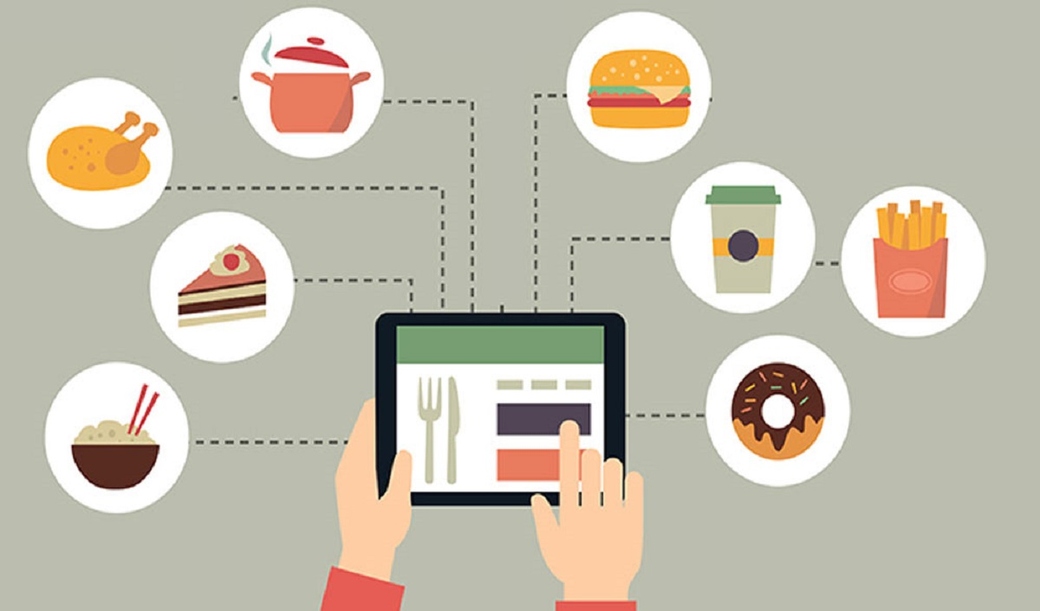
Modern consumers value convenience. Whether ordering food from a restaurant, a stadium, or a delivery platform, they expect a smooth and efficient experience. Digital ordering systems help businesses reduce waiting times, increase order accuracy, and improve customer satisfaction. Features such as real-time order tracking, digital payments, and personalized recommendations can also encourage larger purchases.
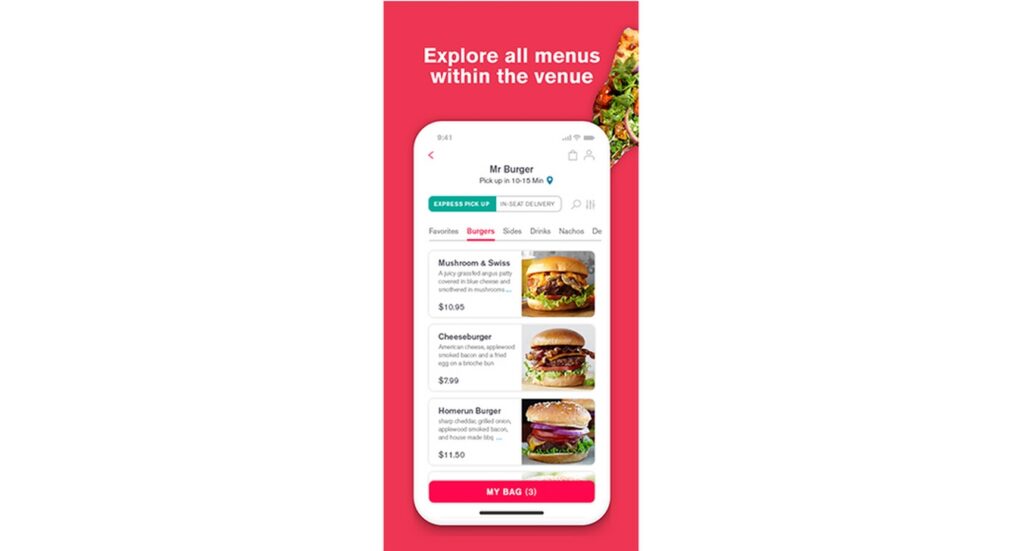
A good example comes from a U.S.-based food delivery platform designed for live events. PowerGate Software partnered with the client to develop a mobile solution that allows attendees to order food and beverages directly from their seats. Users can browse venue menus, communicate with concession stands, and track orders in real time.
The platform significantly improved the overall customer experience while simplifying operational management. More importantly, the client reported average order values that were up to 25% higher than traditional walk-up purchases. This demonstrates how digital transformation can directly influence both convenience and revenue generation.
3.2. Creating digital food marketplaces
The rise of platform-based business models has created new opportunities within the food sector. Digital marketplaces make it easier for customers to discover unique food offerings while helping sellers reach larger audiences. These platforms often combine ecommerce functionality, social interaction, and content creation to build stronger communities around food experiences.
PowerGate Software supported a Canadian client in developing a platform that connects food lovers with local home chefs. Through livestreaming features, social engagement tools, and online ordering capabilities, the platform allows home chefs to create professional storefronts, manage menus, and launch promotional campaigns.
For consumers, the platform provides access to a wider variety of home-cooked meals and personalized culinary experiences. For home chefs, it creates a scalable channel for running and growing their businesses. This example highlights how digital transformation can create entirely new business models rather than simply improving existing processes.
>>> Vỉew full case study: A leading Canadian platform connecting food lovers & home chefs through livestream and social interaction
3.3. Delivering personalized food experiences with AI
Personalization has become a major competitive advantage in many industries, and food services are no exception. Consumers increasingly expect products and recommendations that match their dietary requirements, lifestyle preferences, and health goals. AI enables businesses to deliver these experiences at scale by analyzing customer data and generating relevant recommendations.
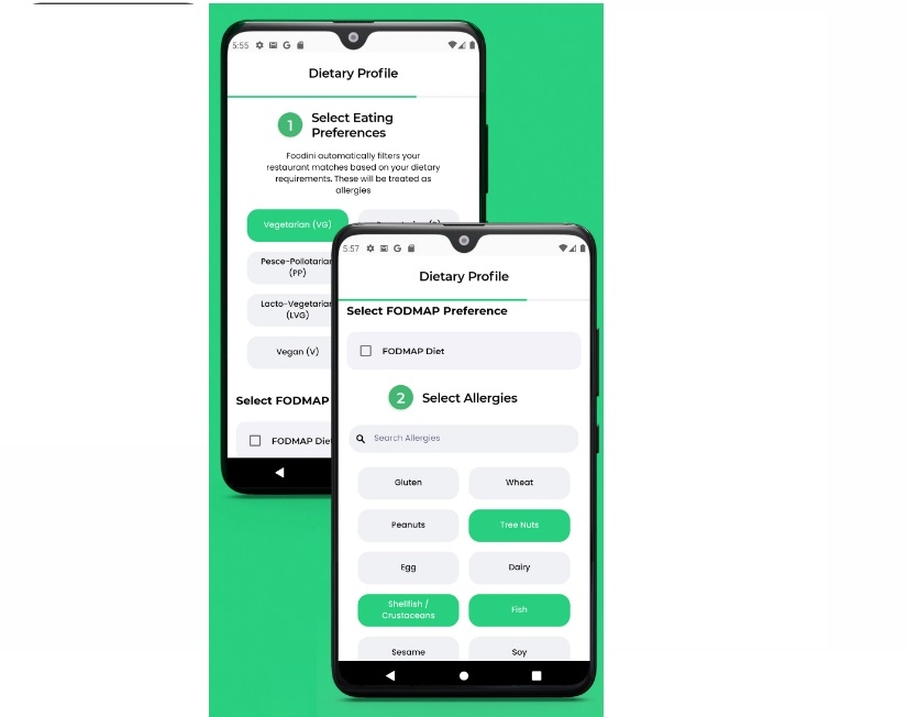
One example is a smart meal planning platform developed by PowerGate Software for a client focused on dietary personalization. Users provide information about allergies, dietary restrictions, food preferences, cooking methods, and other factors.
Based on this information, the recommendation engine generates customized weekly meal plans, recipes, and grocery shopping lists. The platform also supports subscription-based services and social sharing features that encourage ongoing engagement.
This type of solution demonstrates how AI can move beyond operational efficiency and become a core part of the customer experience.
3.4. Supporting sustainability and reducing food waste
Sustainability has become an important priority throughout the food and beverage industry. Businesses are increasingly looking for ways to reduce waste, improve resource utilization, and contribute to broader environmental goals. Digital platforms can play an important role in connecting stakeholders, coordinating logistics, and increasing visibility across food distribution networks.
A notable example is a food donation marketplace developed for a client in Hong Kong by PowerGate Software. The platform connects food donors, charitable organizations, and delivery teams through an integrated digital ecosystem.
The solution includes a mobile application used by drivers to manage collection and delivery schedules, along with a web-based administration portal that oversees operations and logistics. By digitizing these processes, the platform has helped save approximately 665 tonnes of food annually and facilitated the delivery of more than 1.6 million meals to those in need.
This case illustrates how digital transformation can support both operational efficiency and social impact simultaneously.
4. Common challenges in digital transformation projects
Despite its benefits, digital transformation is rarely a straightforward process.
- One common challenge is the reliance on outdated systems that were not designed to integrate with modern technologies. Many organizations also struggle with fragmented data spread across multiple platforms, making it difficult to gain a complete view of operations.
- Another challenge involves user adoption. New technologies can only deliver value if employees, partners, and customers are willing to use them effectively. Successful transformation projects often include training, change management, and continuous improvement efforts alongside technical implementation.
- Businesses should also focus on solving clearly defined problems rather than pursuing technology for its own sake. The most successful initiatives typically start with specific business objectives, such as improving customer engagement, reducing operational costs, or increasing efficiency.
Digital transformation in the food and beverage industry is no longer limited to large enterprises. Businesses of all sizes are using technology to improve customer experiences, optimize operations, and create new revenue opportunities. From digital ordering platforms and food marketplaces to AI-driven personalization and sustainability initiatives, the opportunities continue to expand. Organizations that approach transformation with clear objectives and a strong understanding of customer needs will be better positioned to adapt and grow in an increasingly digital marketplace.