
Building a modern fitness product requires solving distinct engineering challenges: processing real-time biomechanical data, maintaining persistent Bluetooth Low Energy (BLE) connections with wearables, and driving user retention. Partnering with a specialized software agency experienced in gym and fitness apps ensures access to production-ready architectures and deep domain expertise. This guide evaluates five top engineering firms capable of operating as an AI fitness coaching app development company to build scalable health platforms.
1. Top 5 software agencies experienced in gym and fitness apps
1.1. RiseApps
RiseApps is a European software development studio that builds custom digital solutions for health, fitness, and sports tech brands. Since its inception, the company has specialized in making complex health technology simple, creating consumer-friendly mobile applications that connect seamlessly with wearable devices and health tracking frameworks. Their engineering teams have built over 40 wellness platforms, working with high-profile fitness personalities like Usain Bolt and Lauren Simpson. By focusing heavily on user privacy, smooth user experience, and secure data pipelines, RiseApps helps fitness businesses transition from offline coaching to scalable digital ecosystems.
- Year Founded: 2016
- Website URL: https://riseapps.co/
- Core strengths:
- Simple connection to Apple Health, Google Health Connect, and Garmin smartwatches.
- Smart camera tools that automatically count reps and check user posture during workouts.
- Secure cloud storage built to protect private user health data.
1.2. PowerGate Software
PowerGate Software is a global technology consultancy operating as a trusted software agency experienced in gym and fitness apps. With over a decade of hands-on experience and a portfolio of over 200 delivered software products, they excel at creating end-to-end digital solutions for commercial gym chains, boutique fitness studios, and ambitious health tech startups. PowerGate provides full-cycle development services, from initial UX design and mobile app creation to backend cloud management and automated gym operations. Their specialized engineering teams work closely with gym owners and fitness entrepreneurs in over 30 countries to build connected software platforms that streamline member management, automate online bookings, and power virtual personal training classes
- Year Founded: 2011
- Website URL: https://powergatesoftware.com/
- Core strengths:
- End-to-end gym platforms, including booking tools, digital check-ins, and mobile workout apps.
- Fast Bluetooth connections with smart gym equipment like treadmills and bike trainers.
- Smart AI features like automated personal coaching, personalized workout plans, and form check tools.

>>> Read more: Why PowerGate Software is your trusted outsourcing partner for fitness management platform development
1.3. Oxagile
Oxagile is an international custom software development firm that excels in video engineering, motion analytics, and computer vision technologies. They specialize in taking raw video feeds from smartphone cameras and converting them into actionable, real-time coaching insights. Oxagile works with fitness brands to build interactive online training platforms that replicate the experience of an in-person personal trainer. Their technical expertise allows fitness apps to handle high-volume video streaming for live classes while running intelligent movement analysis tools in the background. By focusing on both front-end usability and heavy-duty cloud infrastructure, Oxagile helps clients keep users active, engaged, and motivated.
- Year Founded: 2005
- Website URL: https://www.oxagile.com/
- Core strengths:
- Live motion tracking through phone cameras to give immediate feedback on workout form.
- High-quality video streaming for live, interactive online fitness classes.
- Strong backends designed to support thousands of active users at the same time.
1.4. Stormotion
Stormotion is a product design and mobile development studio that crafts user-focused fitness and sports applications. They emphasize behavioral design and habit-building strategies, ensuring that fitness apps are not just functional, but genuinely enjoyable for users to open every day. Stormotion’s team combines deep knowledge of mobile technology with modern gamification techniques, such as progress streak tracking, community leaderboards, and interactive workout challenges. They excel at building flexible workout loggers that adapt to different training routines from quick bodyweight interval training to complex strength programs while keeping smartwatch data perfectly synchronized in the background.
- Year Founded: 2012
- Website URL: https://stormotion.io/
- Core strengths:
- Flexible workout tools that easily support different training styles (like timed intervals or set repetitions).
- Smooth background syncing with smartwatches so health stats are always up to date.
- Clear, attractive app designs that keep users engaged day after day.
1.5. PixelForce
PixelForce is an award-winning Australian technology agency renowned for building ultra-scalable mobile apps and digital platforms for sports and performance brands. They are best known as the core engineering firm behind SWEAT, which grew into the world’s leading female fitness platform and achieved a landmark $400 million acquisition. PixelForce focuses heavily on building resilient, high-availability software that operates reliably under challenging real-world conditions—such as crowded fitness centers or concrete basement gyms with weak internet signals. Their engineering philosophy combines startup development speed with enterprise-grade stability, allowing fitness brands to scale rapidly to millions of active users.
- Year Founded: 2011
- Website URL: https://pixelforce.com.au/
- Core strengths:
- Offline modes that save workout progress locally and sync automatically when the internet returns.
- Direct connections to popular gym software like Mindbody and PushPress.
- Fast video loading for smooth workout tutorials and live streams.

2. Leveraging AI as an AI fitness coaching app development company
To turn a basic workout app into an interactive virtual trainer, an AI fitness coaching app development company uses artificial intelligence in three simple ways:
- Real-time movement checks: Using phone cameras, AI tracks body movements live on the device. It counts exercise reps automatically and warns users if their posture needs correction to prevent injury.
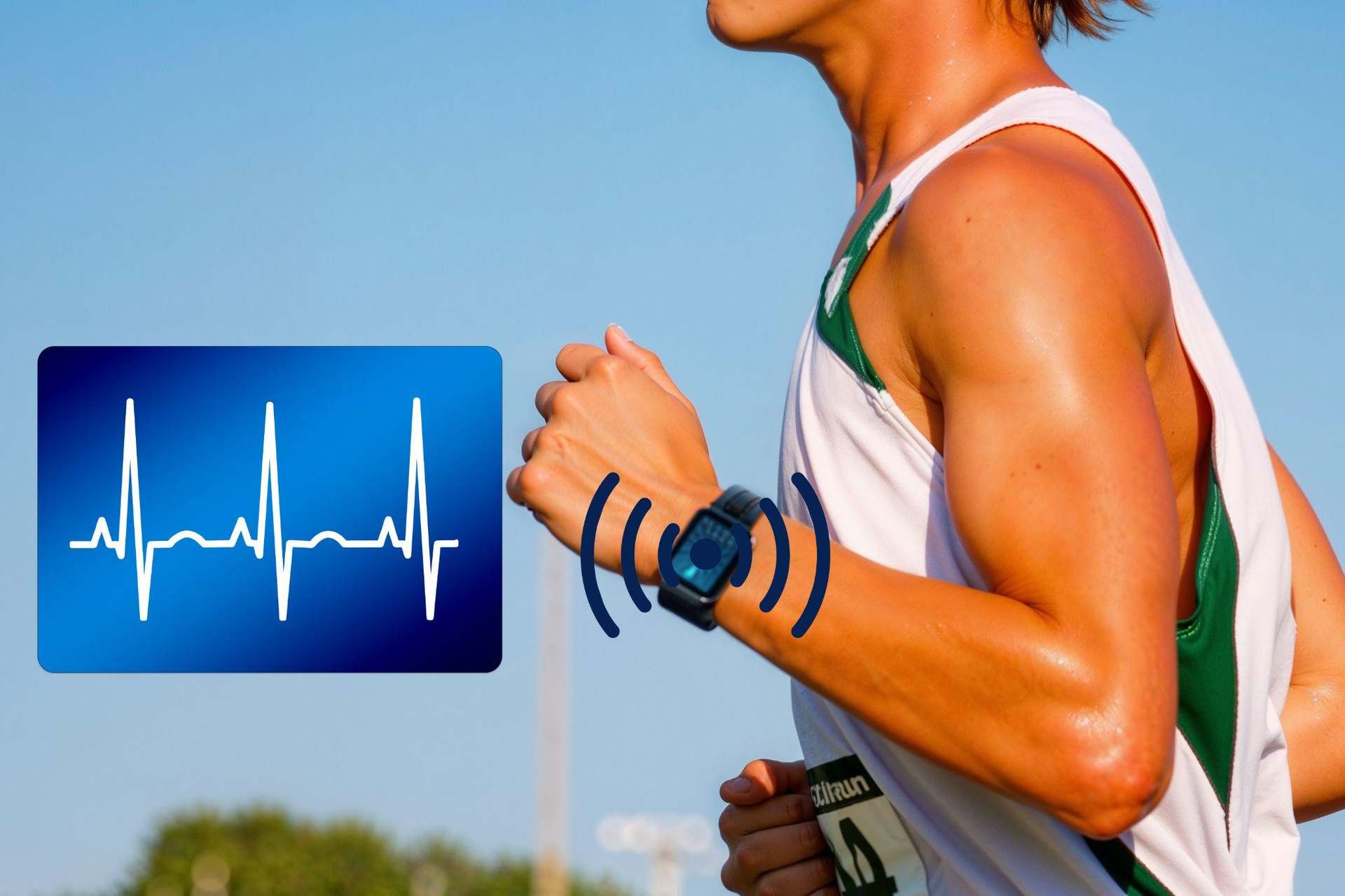
- Smart workout adjustments: AI looks at continuous data from smartwatches, like heart rate, sleep quality, and daily energy levels, to automatically adjust the next workout’s intensity and rest time.
- Personal chat-based coaching: Generative AI acts as an always-available personal trainer inside the app. Users can ask questions about their routines, get custom advice, and update nutrition plans through natural conversations.
3. Executive FAQ: Building gym and fitness applications
1. How do we make sure data syncs quickly between smartwatches, gym machines, and the app?
The best way is to build the app to store data locally on the user’s phone first. When the user is active, data from wearables or gym equipment saves immediately to the phone, then uploads smoothly to the server in the background without freezing the screen.
2. What data privacy rules apply when storing fitness and body stats?
When an app collects health metrics like heart rate or body composition alongside a person’s name, it must follow privacy laws like GDPR or HIPAA. This requires encrypting data while it travels and while it is stored, as well as keeping personal names separate from exercise logs.
3. Should AI movement tracking run on the user’s phone or on cloud servers?
Running AI models directly on the phone is usually best. Processing motion on the device means instant feedback for the user (under 1 second), lower monthly server costs, and total privacy because camera footage never leaves the phone.
4. What is the typical timeline and cost to build an MVP fitness app with AI features?
Creating an initial version (MVP) with core workout tracking, smartwatch syncing, and basic AI coaching usually takes 2 to 6 months. Total project budgets typically range from $20,000 to $100,000, depending on feature complexity and the specific devices supported.
Selecting an experienced software agency experienced in gym and fitness apps is key to launching a reliable fitness platform. Skilled agency partners provide proven tools for smartwatch sync, fast video loading, and member privacy. Working with a capable AI fitness coaching app development company helps businesses launch smart, engaging digital products that retain members and scale successfully.