
Marketplace software development involves turning a business model into a system that can support different user groups, listings, transactions, pricing rules, payments, and trust mechanisms. The right approach depends on what is being exchanged and how the marketplace needs to operate. In this guide, PowerGate Software shares practical insights into building a marketplace platform, drawing on lessons from real-world marketplace projects the company has developed.
1. What to define before starting marketplace software development
Before choosing a technology stack or designing screens, it is important to define how the marketplace will actually work. Five key areas should be clarified before development starts: how the business model works, who will use the platform, how transactions will happen, how the marketplace will make money, and what industry-specific requirements need to be addressed.
1.1 Define your marketplace business model
Start by identifying what the platform connects and how value moves between participants. For example, a marketplace may connect:
- Buyers with product sellers
- Customers with service providers
- Businesses with suppliers
- Renters with property or vehicle owners
- Clients with freelancers
The business model also determines how the platform earns revenue. Common approaches include transaction fees, commissions, subscriptions, listing fees, or a combination of these models.
1.2 Identify marketplace participants and user roles
A marketplace usually has more than one type of user. Buyers and sellers may require completely different workflows, while administrators need another set of tools to manage the platform.
For example, a vehicle marketplace may need separate experiences for car owners, renters, business users, and gig workers. Defining these roles early helps developers establish permissions, workflows, and data structures correctly.
1.3 Define how transactions will work
The transaction flow should be mapped before development begins. Consider questions such as:
- How does a customer place an order or booking?
- When is payment collected?
- How does the seller receive the money?
- Does the platform take a commission?
- What happens when an order is cancelled?
- How are refunds or disputes handled?
These rules often have a greater impact on development complexity than the number of visible features.
1.4 Determine how the marketplace will generate revenue
Revenue logic should be reflected in the software from the beginning. A platform charging a commission on every transaction will need different payment and reporting logic from one using a monthly subscription model.
1.5 Identify industry-specific requirements
A marketplace for cars, gold, healthcare services, or accommodation will not operate under the same rules.
Industry-specific data, regulations, insurance requirements, pricing methods, and transaction risks should therefore be considered during discovery rather than added after the core product has already been built.
Source: cs-cart
2. What does marketplace software need to support?
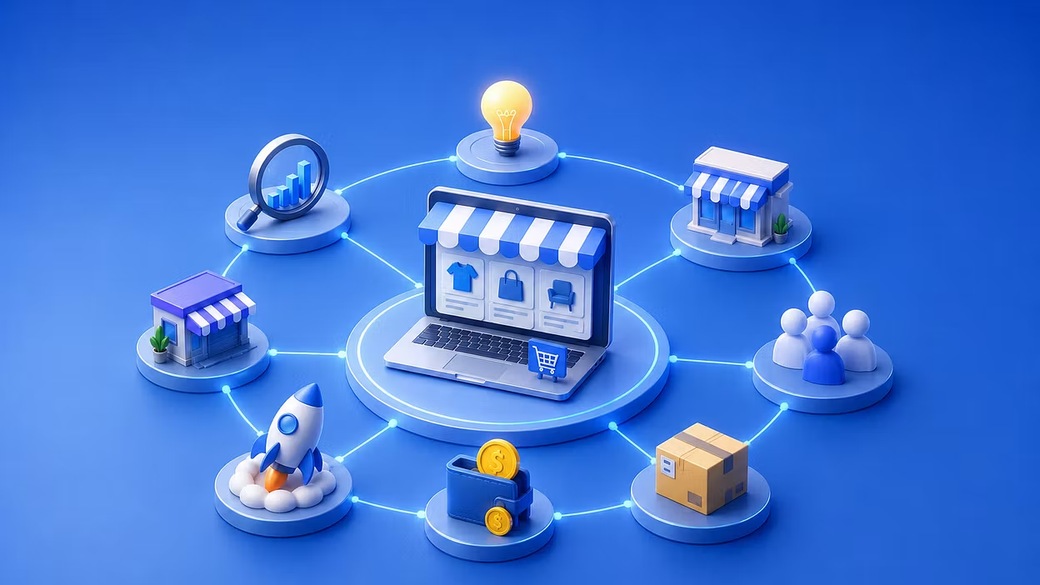
Once the business model is clear, the next step is translating it into product functionality, including:
- Buyer and customer workflows: The customer side commonly includes account management, search, filtering, listing details, checkout or booking, payment, order history, and reviews. The exact workflow depends on the marketplace. A booking platform may need availability calendars, while a product marketplace may focus more heavily on catalogs and inventory.
- Seller and provider workflows: The supply side is equally important. Sellers or service providers may need to create listings, upload information, set prices, manage availability, process orders, and track earnings. A good onboarding experience matters here. If providers struggle to join the platform or create listings, the marketplace may have difficulty building sufficient supply.
- Admin and marketplace management: Administrators typically need tools for managing users, listings, transactions, payments, reviews, disputes, and platform settings. For larger marketplaces, analytics and reporting can also help operators understand supply, demand, transaction volume, and other operational metrics.
- Listings, search, and discovery: Listings are the foundation of many marketplaces, but simply allowing users to publish them is not enough. Customers need practical ways to find and compare relevant options. Search and filtering may use attributes such as price, location, category, availability, condition, or other industry-specific criteria.
- Payments, commissions, and payouts: Marketplace payments can be more complicated than a standard ecommerce checkout.The platform may need to integrate payment providers that collect buyer payments, calculate platform fees or commissions, and facilitate seller or provider payouts, depending on the marketplace model. Multiple payment gateways may also be required when serving different markets or payment preferences.
- Reviews, ratings, and trust mechanisms: Marketplaces often connect people who do not know each other. Reviews, ratings, identity verification, secure payments, and transaction records can help reduce uncertainty and support trust between participants.

Source: Tido
You may need: A practical guide to wholesale eCommerce marketplace development by PowerGate Software
3. Designing the core architecture of a marketplace
The software architecture should reflect the marketplace’s actual business rules rather than simply replicate a standard ecommerce structure.
- Frontend and user experience: The interface should be designed around each user’s goals. A buyer needs an efficient path to discovery and purchase, while a seller may need a dashboard for listings, pricing, availability, and transactions.
- Backend and business logic: The backend manages the rules that connect these experiences. This can include user permissions, pricing, orders, commissions, availability, refunds, and other marketplace-specific processes.
- APIs and third-party integrations:
- Marketplaces frequently depend on external services for payments, maps, identity verification, notifications, analytics, or industry-specific data.
- The architecture should account for these integrations early because external services can affect both workflows and data structures.
- Security and scalability: Security should cover authentication, authorization, payment-related information, and sensitive user data. Scalability also matters because marketplace activity can increase unevenly as more buyers and sellers join the platform.
4. Building marketplace-specific business logic
The most difficult part of marketplace software development is often not the interface. It is translating the business rules of the marketplace into reliable software.
- Flexible pricing and rate management: Different marketplaces may require different pricing models. A provider might set their own rate, while another platform may calculate prices from changing market data. This means pricing should be designed around the actual business model rather than assuming every marketplace uses a fixed product price.
- Availability and transaction management: Rental and booking marketplaces need to manage availability, while product marketplaces may focus on inventory and order status. In both cases, the software needs clear rules for preventing conflicting or invalid transactions.
- Industry-specific data and rules: A marketplace may depend on information that is not normally found in ecommerce systems. This can significantly influence the architecture and integrations required.

Source: upsilonit.com
5. Marketplace software development process
A structured development process helps turn the business model into a workable product. While the exact process may vary by project, marketplace software development typically involves these key stages:
- Discovery and requirements analysis: Define user roles, workflows, business rules, third-party integrations, and the scope of the initial product.
- UX and marketplace workflow design: Map the journeys of buyers, sellers, service providers, and administrators, then turn these workflows into practical user interfaces.
- Technical architecture and MVP development: Establish the technical architecture and build the core marketplace workflows first. The MVP should focus on the transactions that make the platform useful rather than trying to include every possible feature.
- Testing and transaction validation: Test both standard user journeys and edge cases involving payments, cancellations, refunds, availability, permissions, and other marketplace-specific rules.
- Launch, monitoring, and improvement: After launch, monitor how the platform performs and how users interact with it. These insights can help identify issues and guide ongoing improvements to reliability, usability, and functionality.
6. Real-world marketplace development challenges
PowerGate Software’s marketplace projects illustrate why these details matter in practice.
6.1 Supporting multiple use cases in one platform
For a US-based vehicle marketplace developed by PowerGate Software, users could rent cars for personal or business purposes, including use for Uber and delivery services. The platform also connected car owners with people looking for vehicles and gig-work opportunities. The platform supported multiple payment gateways, transaction workflows, and user feedback and review features.
The broader lesson is that a marketplace may need to support several related user journeys within one platform. Designing only around a single buyer journey can leave important supply-side or business requirements unresolved.
6.2 Making supply onboarding simple
The same vehicle marketplace allowed users to list cars within minutes. This reflects an important marketplace principle: attracting customers is only one side of the problem.
A marketplace also needs enough relevant supply. Simple listing creation, pricing management, and availability controls can reduce friction for providers and help them remain active on the platform.
6.3 Working with real-time market data
PowerGate Software also developed an online gold marketplace for customers in New Zealand. Unlike a marketplace where sellers simply choose a fixed price, In these cases, the platform incorporates live gold rates and charts while considering factors such as purity and weight, and need to integrate external market-data sources and present that information within the transaction workflow.
This demonstrates how some marketplace products depend on external or frequently changing data. In these cases, software needs to do more than store listings. It must present current information in a way that supports the transaction.
6.4 Building secure and trustworthy transactions
The gold marketplace included multiple payment gateways, secure transaction management, and a feedback and review system. These functions address different parts of the same problem: enabling users to transact with greater confidence.
The vehicle marketplace similarly incorporated secure payments and commercial insurance coverage, reflecting the higher risks associated with vehicle use.
Together, these projects show that trust and transaction management should be considered core marketplace functions rather than optional additions.
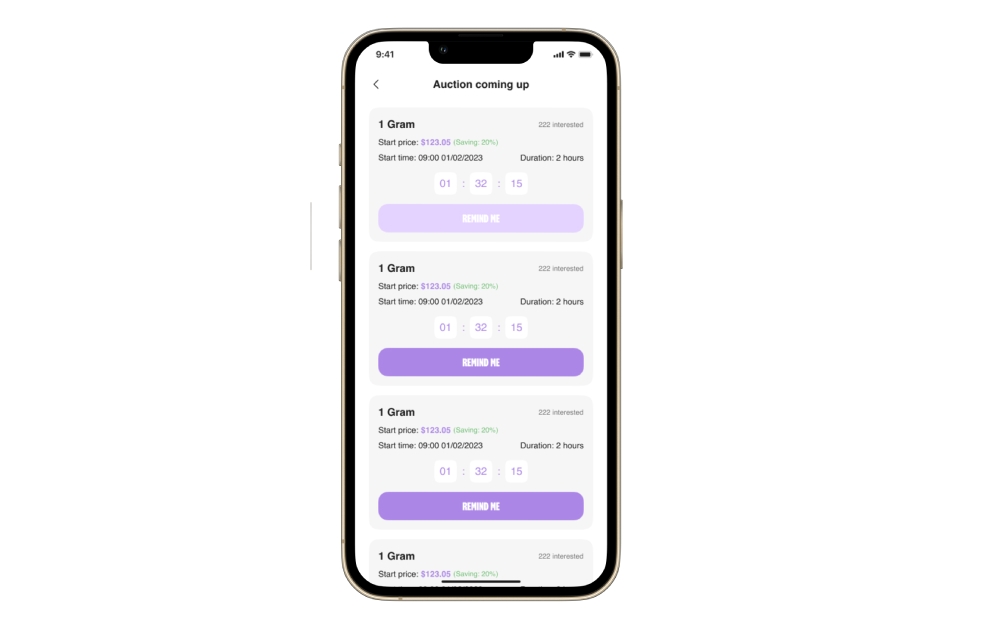
Marketplace for buying and selling gold in New Zealand by PowerGate Software
7. Frequently asked questions about marketplace software development
1. Is custom marketplace development better than ready-made software?
The right choice depends on the marketplace’s business model, required features, integrations, and level of customization. Ready-made solutions can work well for standard requirements, while custom development may be more suitable when the platform needs specialized workflows or business logic.
2. How much does marketplace software development cost?
The cost depends on factors such as the number of user roles, platform scope, custom business logic, integrations, payment requirements, and scalability needs. An MVP with core marketplace functions will generally require a different level of investment than a full-scale platform with complex workflows and integrations.
3. How do I choose a marketplace software development company?
Look for a development partner with relevant marketplace experience, a clear understanding of multi-sided business models, strong technical and integration capabilities, and experience building products that can scale as the marketplace grows.
You may need: TOP companies for multi-vendor marketplace software development services
Successful marketplace software development starts with understanding the business behind the platform. The key questions are not only what features to build, but also how users interact, how transactions work, what data drives decisions, and how trust is established. If you already have an idea for a marketplace, talk to PowerGate Software’s experts to turn your marketplace concept into a working digital product.