
Modern ecommerce businesses are no longer limited to traditional all-in-one platforms. As customer expectations continue to change, many companies are moving toward headless commerce to gain more flexibility and better control over their digital experiences. One platform that has attracted growing attention in this space is Medusa. In this article, we will explain what MedusaJS is, how it works, its main benefits, common challenges, and when businesses should consider using it for headless commerce development.
1. What is MedusaJS?
MedusaJS is an open-source headless commerce platform built with Node.js. It provides the backend infrastructure needed to run ecommerce operations, including product management, carts, checkout, payments, inventory, and order processing.
Unlike traditional ecommerce platforms, MedusaJS separates the backend commerce engine from the frontend storefront. This means businesses can build their storefronts using any frontend technology they prefer while still using MedusaJS to manage core commerce functions through APIs.
One reason why MedusaJS has become popular is its flexibility. Developers can customize workflows, connect external services, and create unique shopping experiences without being restricted by the limitations of a traditional platform. Since it is open source, businesses also have greater control over their infrastructure and long-term development plans.
2. How MedusaJS works
2.1. Backend-first commerce architecture
At its core, MedusaJS works as a backend commerce engine. It handles essential ecommerce functions such as:
- Product and category management
- Shopping carts
- Checkout flows
- Order management
- Customer accounts
- Inventory tracking
- Payment processing
Instead of tightly connecting these functions to a specific storefront, MedusaJS exposes them through APIs. This allows businesses to use the same backend across multiple channels.
For example, a company could use one MedusaJS backend for:
- A web storefront
- A mobile shopping app
- A POS system
- Social commerce channels
This structure gives businesses more flexibility when expanding their ecommerce ecosystem.
2.2. API-driven approach
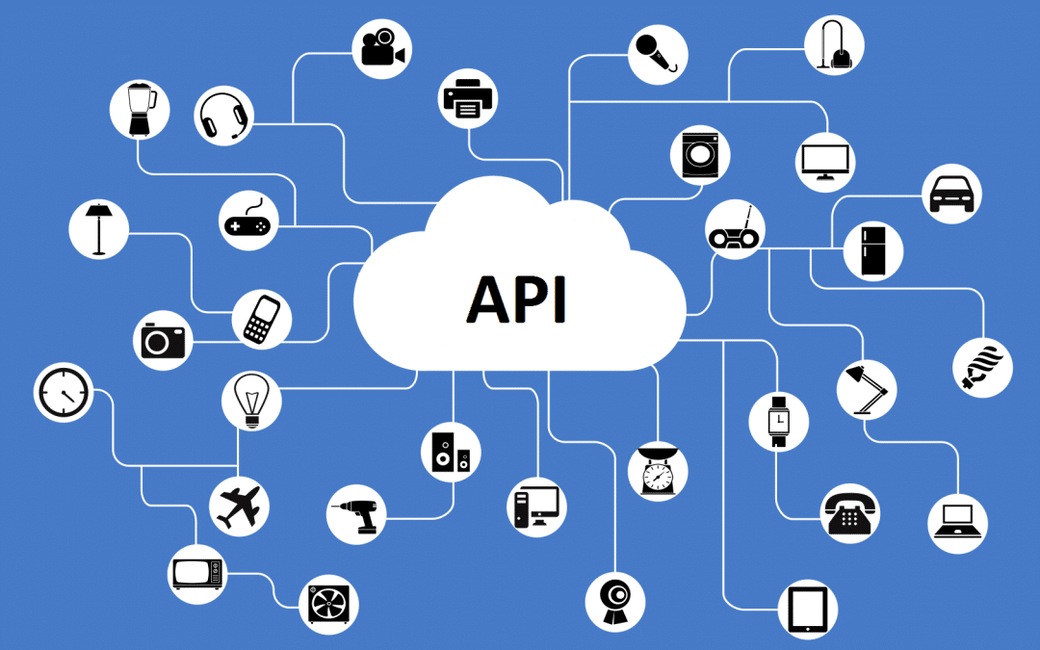
MedusaJS follows an API-first approach. Frontend applications communicate with the backend through REST APIs, which makes the system easier to extend and customize. Because the frontend and backend are separated, development teams can work independently on both sides of the system. Frontend developers can focus on customer experience, while backend developers manage commerce logic and integrations. This also makes it easier to adapt the platform as business needs change over time.
Source: techaffinity.com
2.3. Flexible frontend development
One of the biggest advantages of MedusaJS is frontend freedom. Businesses are not locked into a predefined storefront system. Developers can build storefronts using technologies such as:
- React
- Next.js
- Vue
- Mobile frameworks
- Custom frontend applications
This flexibility is especially useful for businesses that want unique user experiences or need to support multiple digital channels.
2.4. Modular and extensible system
MedusaJS uses a modular architecture that supports plugins and integrations. Businesses can extend the platform by adding custom features or connecting third-party services. Common integrations include:
- Payment gateways
- Shipping providers
- CMS platforms
- ERP systems
- CRM software
This modular approach helps companies avoid rebuilding everything from scratch while still allowing customization where needed.
3. Why should you use MedusaJS for headless commerce?
3.1. Greater flexibility and customization
Traditional ecommerce platforms often come with predefined workflows and design limitations. While these systems may work for standard online stores, they can become restrictive when businesses need custom functionality. MedusaJS gives development teams more control over:
- Checkout experiences
- Product logic
- Promotions
- Multi-store operations
- Customer journeys
This flexibility is valuable for businesses with unique operational requirements or specialized ecommerce models.
3.2. Better scalability for growing businesses
As ecommerce businesses grow, their technical requirements often become more complex. They may need:
- Multiple storefronts
- Regional expansion
- Advanced inventory systems
- Custom integrations
- Omnichannel commerce
MedusaJS supports this growth through its modular structure. Businesses can gradually expand their systems without replacing the entire platform. Because the frontend and backend are separated, scaling specific parts of the system also becomes easier.

Source: luxa.us
3.3. Full control over frontend experiences
Modern customers interact with brands across many channels, not only traditional websites. Companies now need consistent experiences across:
- Web applications
- Mobile apps
- Marketplaces
- Social platforms
- In-store systems
With MedusaJS, businesses can create tailored frontend experiences for each channel while using the same backend commerce engine. This approach helps companies maintain flexibility while delivering better customer experiences.
3.4. Cost advantages compared to proprietary platforms
Since MedusaJS is open source, businesses do not need to pay expensive licensing fees commonly associated with some enterprise ecommerce platforms. Companies also have more control over:
- Hosting
- Infrastructure
- Platform customization
- Technology stack decisions
For businesses with internal development teams or long-term ecommerce plans, this can lead to lower operational costs over time.
3.5. Developer-friendly modern tech stack
MedusaJS is built using modern technologies such as Node.js and TypeScript, which are already widely used in web development. For development teams familiar with JavaScript ecosystems, adopting MedusaJS can be relatively straightforward. Its API-based structure also fits well into modern software development practices.
>>> You may need: Comparing top headless ecommerce platforms for scalability and flexibility in 2026
4. When should businesses use MedusaJS?
4.1. Businesses building custom ecommerce experiences
MedusaJS is a strong option for companies that need more than a standard ecommerce website. Examples include:
- Marketplace platforms
- Subscription-based businesses
- B2B ecommerce systems
- Multi-vendor commerce
- Customized checkout experiences
These business models often require workflows that traditional ecommerce platforms cannot easily support.
4.2. Fast-growing companies need scalability
Growing ecommerce businesses usually face changing requirements over time. A platform that works during the early stage may become limiting later.
MedusaJS allows companies to build systems that can evolve gradually as operations expand. Businesses can add new services, integrations, or frontend experiences without completely rebuilding their platform.
4.3. Brands adopting composable commerce strategies
Composable commerce has become more common among businesses that want flexibility in choosing their technology stack. Instead of relying on one large platform for everything, companies can combine:
- Commerce engines
- CMS platforms
- Search systems
- Analytics tools
- Marketing platforms
MedusaJS fits well into this approach because of its modular and API-driven architecture.
4.4. Companies requiring omnichannel commerce
Businesses selling across multiple channels can benefit from a centralized commerce backend. Using MedusaJS, companies can manage products, orders, and customer data across:
- Ecommerce websites
- Mobile applications
- Physical stores
- External marketplaces
This helps create more consistent operations across channels.
|
Note: When may MedusaJS not be the ideal choice? Because MedusaJS provides more flexibility, it also requires more technical involvement compared to plug-and-play platforms. Although MedusaJS offers many advantages, it is not suitable for every business. For example, it may not be the best option for:
|
5. Common challenges of MedusaJS development and how to address them
5.1. Technical implementation complexity
Building a headless commerce platform is usually more complex than using a traditional ecommerce builder. Teams need to handle:
- Backend architecture
- Frontend development
- APIs
- Hosting
- Infrastructure planning
To reduce these risks, businesses should:
- Define architecture requirements early
- Build scalable infrastructure
- Work with experienced developers familiar with headless commerce
5.2. Third-party integration challenges
Many ecommerce businesses rely on external systems such as:
- Payment gateways
- Shipping providers
- ERP systems
- CRM platforms
Integrating these services into a custom commerce architecture can sometimes create technical challenges. A practical way to reduce complexity is to prioritize integration planning at the beginning of the project rather than treating it as a later task.
5.3. Maintenance and scalability concerns
Open-source platforms provide flexibility, but they also require ongoing maintenance. Businesses need to manage:
- Version updates
- Plugin compatibility
- Performance optimization
- Security monitoring
Long-term technical support and DevOps practices become important for maintaining system stability.
5.4. Security and operational management
Unlike fully managed SaaS platforms, MedusaJS requires businesses to manage hosting and infrastructure themselves. This includes:
- Server management
- Security updates
- Backups
- Monitoring
- Performance optimization
For some companies, working with an experienced development partner can help reduce operational pressure and improve system reliability.
As headless commerce becomes more common, MedusaJS is emerging as a flexible solution for businesses that need greater customization and scalability. Understanding what MedusaJS is, how it works, its advantages, and its development challenges can help companies decide whether it fits their long-term ecommerce strategy. While MedusaJS offers strong flexibility and frontend freedom, successful implementation still depends on proper architecture planning, integrations, and technical expertise.
>>> Businesses looking to build scalable headless commerce platforms can explore the MedusaJS development services offered by PowerGate Software to support custom ecommerce development, system integration, and long-term platform growth.