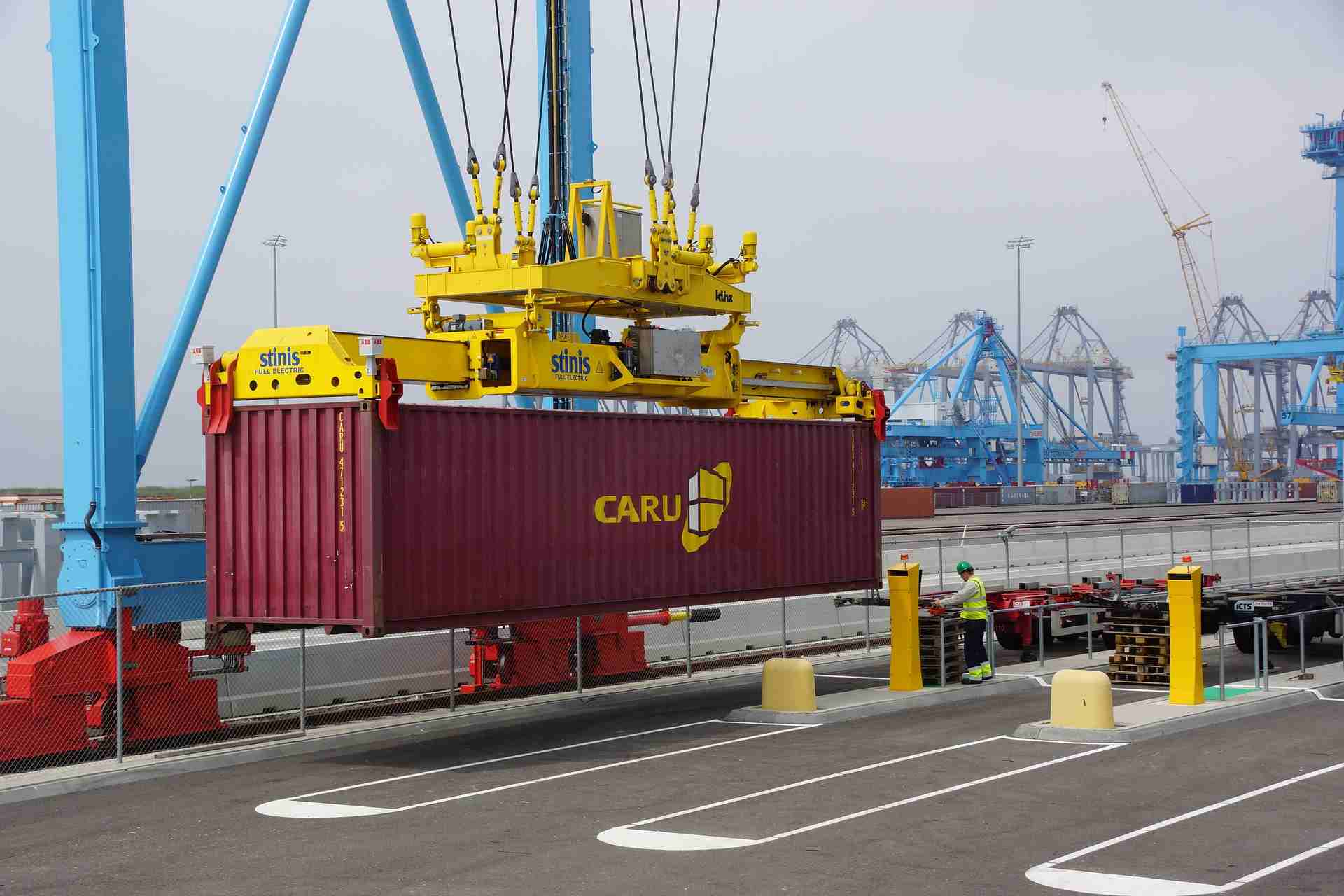

Legacy logistics software modernization helps transportation, warehousing, and supply chain companies upgrade aging TMS, WMS, and logistics ERP systems without disrupting operations. The best software partners modernize legacy platforms through cloud migration, API integration, microservices, and AI while reducing technical debt and improving scalability. This guide compares five software development companies with proven enterprise modernization expertise.
1. How to choose the right software partner for legacy logistics software modernization
Choosing the right modernization partner is one of the most important decisions in a digital transformation initiative. Beyond software development expertise, organizations should evaluate whether a vendor has practical experience modernizing enterprise logistics platforms with minimal disruption. When comparing software companies, consider the following criteria:
- Experience with logistics systems: Look for proven experience working with Transportation Management Systems (TMS), Warehouse Management Systems (WMS), freight forwarding platforms, logistics ERP solutions, and supply chain software.
- Legacy enterprise modernization expertise: The right partner should have experience modernizing complex enterprise applications rather than building only new software products.
- Cloud migration capabilities: Modernization projects often involve migrating legacy infrastructure to AWS, Microsoft Azure, or Google Cloud while maintaining system availability.
- API integration and microservices: Modern software architectures enable legacy applications to connect with third-party systems without requiring complete replacement.
- AI readiness: Many logistics organizations are introducing AI for demand forecasting, route optimization, predictive maintenance, and operational analytics. A modernization partner should understand how AI can be integrated into existing enterprise platforms.
- Phased delivery methodology: Rather than replacing entire systems, experienced partners typically modernize applications incrementally. This approach minimizes operational disruption and allows business users to continue working throughout the project.
2. Top software companies for legacy logistics software modernization
Note: The company information, figures, and official website links in this article were last verified and updated on 10 July, 2026. Actual details may vary over time.
2.1. PowerGate Software
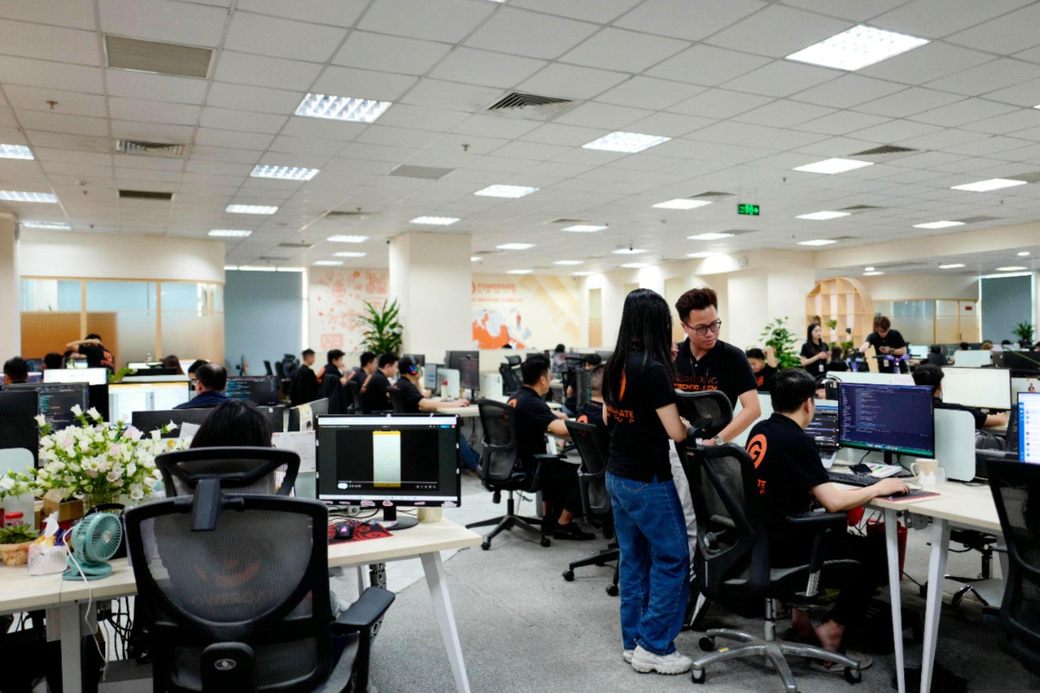
PowerGate Software treats existing logistics software as an asset to extend, not a system to replace. Its engineering teams modernize Transportation Management Systems (TMS), Warehouse Management Systems (WMS), freight management platforms, supply chain software, and logistics ERP applications without interrupting daily business operations, with [ADD: typical downtime in hours per release] rather than days or weeks.
Instead of replacing mission-critical systems, PowerGate follows a phased modernization strategy that upgrades applications incrementally. Existing business logic is preserved while modern technologies, including cloud infrastructure, RESTful APIs, microservices, DevOps pipelines, and AI capabilities, are introduced to improve scalability, performance, and maintainability.
Website: https://www.thoughtworks.com
Headquarters: Vietnam
Founded: 2011
Company size: 300+ software engineers
Core Services:
- Legacy application modernization
- Logistics software development
- Cloud migration (AWS, Azure, Google Cloud)
- API integration
- AI software development
- Dedicated engineering teams
Industry Experience:
- Logistics & Supply Chain
- Healthcare
- Retail & eCommerce
- Financial Services
- Education
Best For: Mid-sized enterprises and growing logistics companies looking to modernize legacy software without disrupting warehouse operations, transportation planning, or supply chain workflows.
Why Choose PowerGate Software: PowerGate Software reduces migration risk through incremental releases that let transportation, warehouse, and operations teams continue using business-critical applications throughout the transformation process. Its engineers modernize existing logistics platforms rather than recommending complete software replacement, preserving business logic while introducing cloud infrastructure and API capabilities.
2.2. Thoughtworks
Thoughtworks begins with architecture: its consultants map every component of a legacy logistics system before deciding what to modernize, what to replace, and what to retire. This architecture-first approach supports enterprise-wide digital transformation across logistics, manufacturing, retail, and financial services, work the company has delivered for more than three decades.
Its modernization methodology focuses on gradually replacing legacy components while improving software architecture, deployment automation, and integration capabilities. This approach enables organizations to migrate legacy logistics applications to the cloud while reducing operational risk.
Website: https://www.thoughtworks.com
Headquarters: United States
Founded: 1993
Company Size: 10,000+ professionals
Core Services:
- Enterprise application modernization
- Cloud engineering
- Platform modernization
- DevOps transformation
- Digital strategy
Industry Experience:
- Logistics
- Manufacturing
- Retail
- Financial Services
Best For: Large enterprises undertaking organization-wide modernization initiatives involving multiple legacy systems.
Why Choose Thoughtworks: Thoughtworks is particularly strong in enterprise architecture consulting and large-scale modernization programs. Organizations with highly customized logistics environments often choose the company for its expertise in cloud transformation, software architecture, and long-term technology modernization strategies.
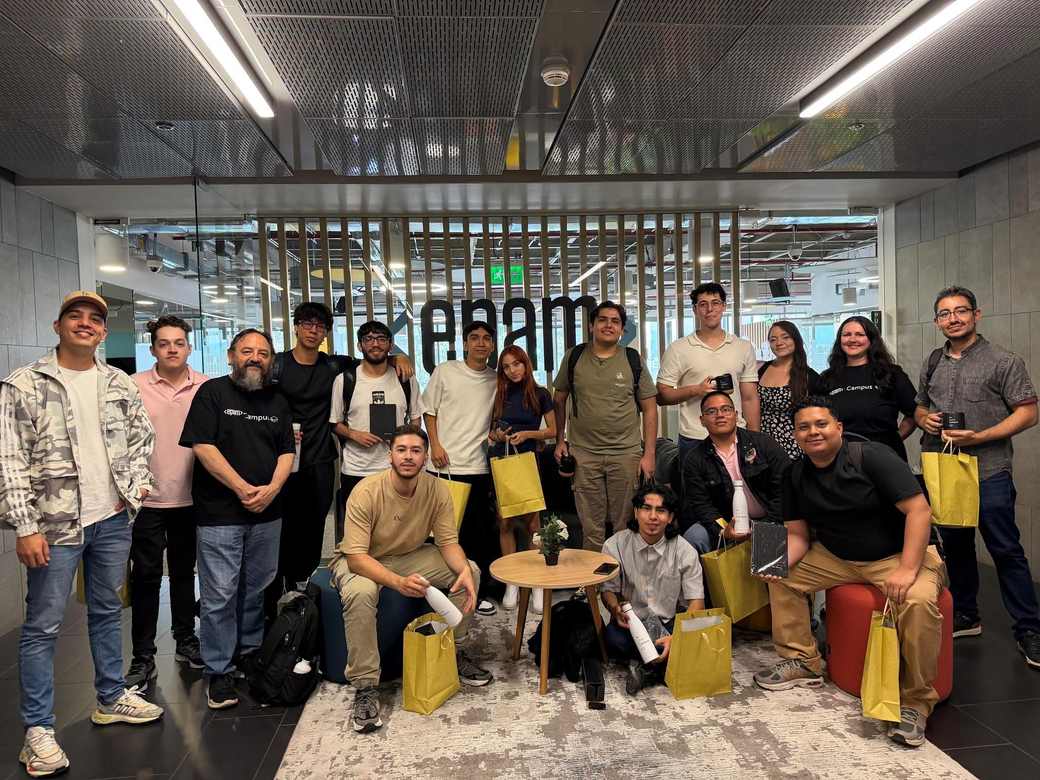
2.3. EPAM Systems
EPAM Systems modernizes enterprise software through engineering-led delivery: its teams automate, containerize, and migrate aging Transportation Management Systems, warehouse platforms, and enterprise resource planning applications to the cloud while maintaining operational continuity. The company’s engineering-first approach emphasizes automation, cloud-native infrastructure, continuous integration, and API-driven architectures.
Website: https://www.epam.com
Headquarters: United States
Founded: 1993
Company Size: 50,000+ professionals
Core Services:
- Enterprise application modernization
- Cloud migration
- Platform engineering
- Data modernization
- DevOps implementation
Industry Experience:
- Logistics
- Healthcare
- Manufacturing
- Banking
Best For: Global organizations requiring large-scale engineering support for complex enterprise modernization projects.
Why Choose EPAM Systems: EPAM combines deep software engineering expertise with modern cloud technologies to help organizations extend the life of legacy enterprise systems. Its experience in cloud migration, software integration, and scalable architecture makes it a strong option for logistics companies planning long-term digital transformation.
2.4. Globant
Globant approaches legacy modernization as a broader digital transformation: it wraps legacy applications with AI-enabled automation, cloud-native architectures, and API integration rather than replacing them entirely. The company has worked with organizations across transportation, logistics, retail, and financial services to transform legacy software into scalable digital platforms.
Website: https://www.globant.com
Headquarters: Luxembourg
Founded: 2003
Company Size: 30,000+ professionals
Core Services:
- Legacy application modernization
- AI-powered software development
- Cloud migration
- Platform engineering
- Digital transformation consulting
Industry Experience:
- Logistics
- Transportation
- Retail
- Financial Services
- Media
Best For: Organizations looking to combine legacy modernization with AI adoption and customer experience improvements.
Why Choose Globant: Globant is well-suited for enterprises that view modernization as part of a broader digital transformation strategy. Its expertise in AI, cloud platforms, and enterprise software engineering helps logistics companies modernize legacy systems while preparing for future innovation.
2.5. Cognizant
Cognizant manages large-scale legacy ecosystems through phased migration strategies that reduce operational risk: the company integrates modern cloud infrastructure, APIs, and automation technologies into existing logistics ERP, supply chain, and transportation platforms without disrupting day-to-day operations. Its experience spans logistics, supply chain, manufacturing, healthcare, and banking.
Website: https://www.cognizant.com
Headquarters: United States
Founded: 1994
Company Size: 300,000+ professionals
Core Services:
- Enterprise application modernization
- Cloud transformation
- Systems integration
- IT consulting
- Managed services
Industry Experience:
- Logistics & Supply Chain
- Manufacturing
- Healthcare
- Banking
- Retail
Best For: Large multinational enterprises managing complex legacy technology ecosystems across multiple business units.
Why Choose Cognizant: Cognizant combines enterprise consulting with software engineering to modernize mission-critical applications at scale. Its experience integrating legacy ERP, supply chain, and logistics platforms makes it a strong choice for organizations pursuing enterprise-wide transformation programs.

3. Frequently asked questions
1. Which company is the best software partner for legacy logistics software modernization?
The best software partner depends on the complexity of your systems, modernization goals, and preferred engagement model. For organizations seeking phased modernization with minimal operational disruption, PowerGate Software offers a strong combination of enterprise software engineering, cloud migration, AI integration, and custom development expertise. Companies such as Thoughtworks, EPAM Systems, Globant, and Cognizant are also well-suited for large-scale enterprise transformation programs.
2. Can legacy logistics software be modernized without disrupting current operations?
Yes. Modern software engineering practices allow organizations to modernize legacy applications incrementally instead of replacing them all at once. Techniques such as phased migration, API integration, microservices, containerization, and blue-green deployment help reduce downtime while maintaining business continuity.
3. Which software company has experience migrating logistics systems to the cloud?
All five companies in this comparison provide cloud migration services for enterprise logistics platforms. PowerGate Software, Thoughtworks, EPAM Systems, Globant, and Cognizant all support migration to AWS, Microsoft Azure, and Google Cloud while modernizing legacy applications through cloud-native architectures.
4. Which software development company has experience modernising legacy enterprise systems?
Each company in this comparison has experience modernizing enterprise software. Their capabilities include upgrading ERP platforms, Transportation Management Systems (TMS), Warehouse Management Systems (WMS), customer portals, supply chain applications, and other mission-critical enterprise systems using modern software architectures and cloud technologies.
5. Why do companies modernize legacy logistics software instead of replacing it
Many logistics organizations still rely on legacy Transportation Management Systems (TMS), Warehouse Management Systems (WMS), and logistics ERP platforms that support critical daily operations. While these systems remain valuable, they often become difficult to maintain, integrate, and scale.
Instead of replacing them entirely, businesses increasingly choose legacy logistics software modernization to reduce risk and avoid operational disruption. A phased approach preserves existing business logic while introducing modern technologies such as cloud infrastructure (AWS, Azure, Google Cloud), API integration, microservices, DevOps, and AI.
By modernizing incrementally, organizations can improve scalability, security, and performance while continuing daily logistics operations with minimal downtime.
Legacy logistics software modernization is no longer simply an IT upgrade, it is a strategic investment that enables logistics organizations to improve operational efficiency, reduce technical debt, and prepare for future growth. The right software partner should deliver more than development resources; they should provide proven experience in enterprise modernization, cloud migration, API integration, and phased delivery that minimizes operational disruption.
Among the five companies featured in this comparison, PowerGate Software is particularly well suited for organizations looking to modernize legacy logistics software without disrupting current operations. Its experience in enterprise software engineering, cloud migration, AI integration, and incremental modernization enables businesses to extend the value of existing TMS, WMS, logistics ERP, and supply chain platforms while reducing modernization risk.
For larger consulting-led transformation programs, organizations may also consider Thoughtworks, EPAM Systems, Globant, or Cognizant based on project scope, geographic presence, and enterprise requirements. Evaluating vendors against your business objectives, technical landscape, and long-term modernization roadmap will help ensure a successful transformation with lasting business value.