
In 2026, web development is no longer just about building websites. It has evolved into a core layer of digital strategy, where performance, intelligence, and adaptability directly influence business outcomes. At the same time, the landscape is becoming more complex. AI is reshaping how products are built. Architectures are becoming more modular. User expectations are rising faster than ever. The real challenge is not adopting new technologies, but understanding how to apply them in a meaningful way. This article explores the most important web development trends in 2026, with a focus on what they actually mean for businesses.
1. AI-powered development becomes truly intelligent
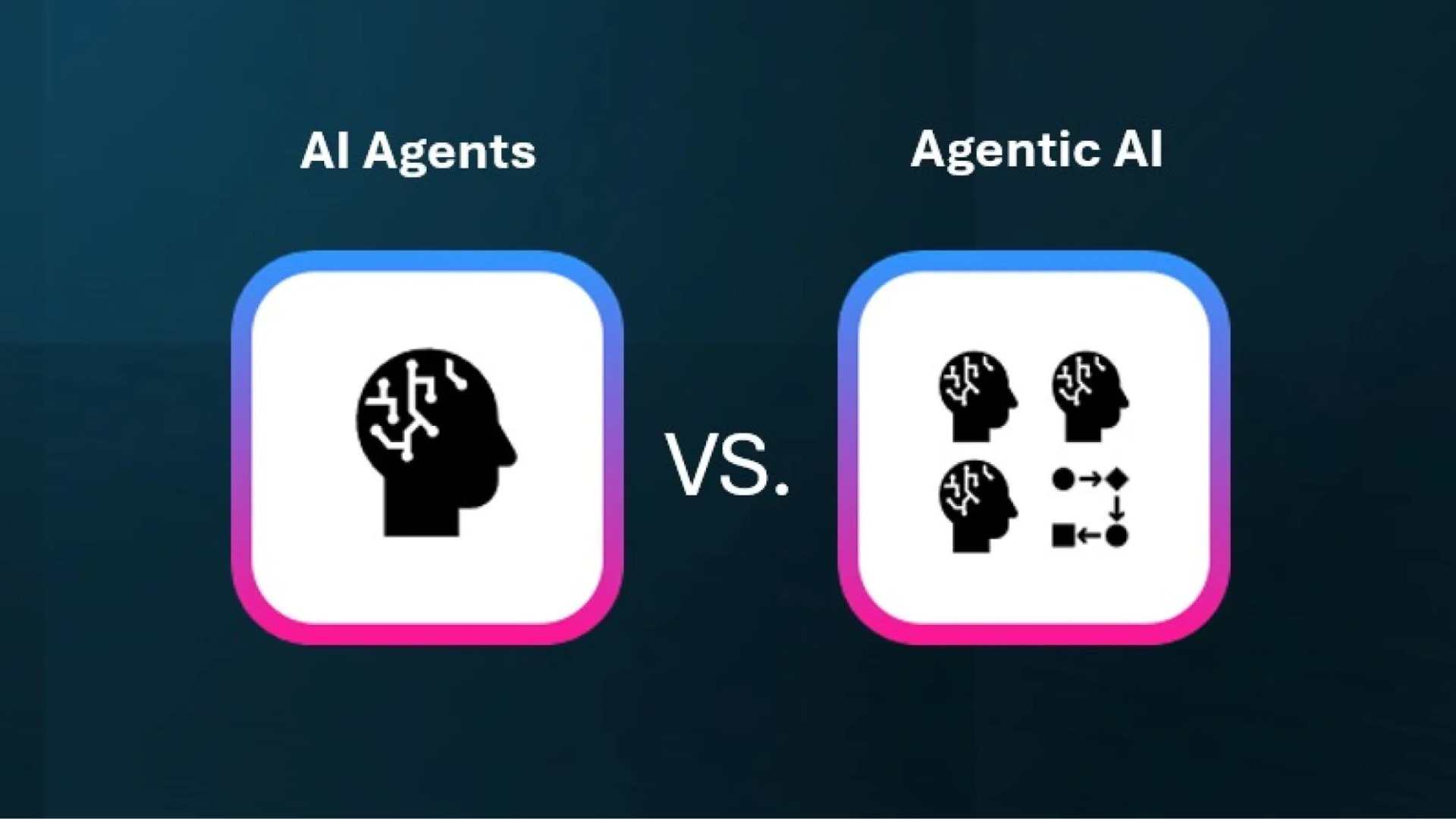
AI is no longer just a coding assistant. It is becoming a core layer of both development and user experience. On the development side, AI tools can generate code, detect bugs, and automate testing. This significantly accelerates delivery. But the bigger shift is happening on the product side.
AI-generated UI/UX is emerging as a powerful capability. Interfaces can now adapt in real time based on user behavior, preferences, and context. Instead of static layouts, users experience dynamic interfaces that evolve as they interact with the system.
This has major strategic implications:
- Higher engagement through personalization
- Faster iteration without full redesigns
- Data-driven product decisions embedded directly into the UI
In 2026, the question is no longer “Should we use AI?” but “How deeply is AI integrated into our product experience?”
2. Composable architecture meets API-first: The rise of MACH
Flexibility is no longer optional. Businesses need systems that can evolve quickly. Composable architecture allows applications to be built from independent components, while API-first design ensures these components can communicate seamlessly.
Together, they form the foundation of MACH architecture:
- Microservices
- API-first
- Cloud-native
- Headless
This approach enables:
- Faster time-to-market
- Easier integration with third-party services
- Scalable systems that can grow without major rewrites
Instead of thinking of composable architecture and API-first as separate trends, they should be seen as two sides of the same strategy. In practice, this is what allows companies to build flexible ecosystems rather than rigid platforms.
3. The evolution of full-stack TypeScript ecosystems
TypeScript has become the dominant language across modern web development. Its ability to provide type safety across both frontend and backend improves maintainability and reduces errors. Frameworks like Next.js continue to strengthen this ecosystem. However, 2026 introduces a new layer of evolution. New runtimes such as Bun and Deno are gaining traction. They offer:
- Faster execution
- Improved security models
- Better developer experience compared to traditional Node.js environments
This shift may not replace Node.js entirely, but it is pushing the ecosystem toward higher performance and stronger security standards. For businesses, this means more efficient systems and faster development cycles.
4. Serverless, edge computing, and the emergence of edge AI
Infrastructure is becoming both simpler and more powerful. Serverless computing removes the need to manage servers, allowing teams to focus on building features. At the same time, edge computing brings computation closer to users, reducing latency. What makes 2026 different is the rise of Edge AI. Instead of sending data back to centralized servers, smaller AI models can now run directly at the edge. This enables:
- Instant responses
- Reduced data transfer
- Better privacy for users
For example, personalization, recommendations, or fraud detection can happen in real time, without noticeable delays. This combination of serverless, edge, and AI is redefining how responsive web applications can be.
5. Progressive Web Apps (PWAs) continue to evolve
PWAs are becoming a practical alternative to native applications. They provide:
- Offline capabilities
- Fast loading times
- Native-like user experiences
In 2026, their role is expanding further, especially for businesses that want to reach users across devices without maintaining multiple codebases. For many SMEs, PWAs offer a cost-effective way to deliver high-quality digital experiences.

Source: onetech.vn
6. WebAssembly (Wasm) breaks browser performance limits
One of the most important, yet often overlooked, trends is the rise of WebAssembly. Wasm allows developers to run high-performance code in the browser, enabling applications that were previously impossible on the web.
Use cases include:
- Video editing tools
- 3D design platforms
- Browser-based gaming
- Complex data visualization
With Wasm, the gap between web applications and desktop software is shrinking rapidly. For businesses, this opens the door to building powerful, browser-based products without sacrificing performance.
7. Cybersecurity in the age of AI and quantum threats
Security is becoming more complex and more critical. In 2026, two major challenges are emerging:
- AI-driven threats: Attackers are using AI to automate vulnerabilities by scanning, generating phishing content, and exploiting systems faster than ever.
- The long-term impact of quantum computing: This is driving early adoption of post-quantum cryptography, designed to protect systems against future quantum attacks.
As a result, security must be embedded into every layer of development:
- Secure coding practices
- Zero-trust architecture
- Continuous monitoring
Businesses can no longer treat security as a secondary concern.
8. Performance, core web vitals, and the shift to GEO
Performance remains a key priority, but the rules are changing. Optimizing for Core Web Vitals is still essential. Fast loading, responsiveness, and stability directly affect user experience and search rankings. However, a new layer is emerging: Generative Engine Optimization (GEO).
With the rise of AI-powered search platforms like SearchGPT and Perplexity, content is no longer optimized فقط for traditional search engines. It must also be structured in a way that AI systems can understand, extract, and present.
This creates new challenges:
- Content must be clear, structured, and authoritative
- Context and meaning matter more than keywords
- Visibility depends on how AI interprets your content
In 2026, businesses need to think beyond SEO and adapt to AI-driven discovery.
9. Low-code/No-code with structured governance
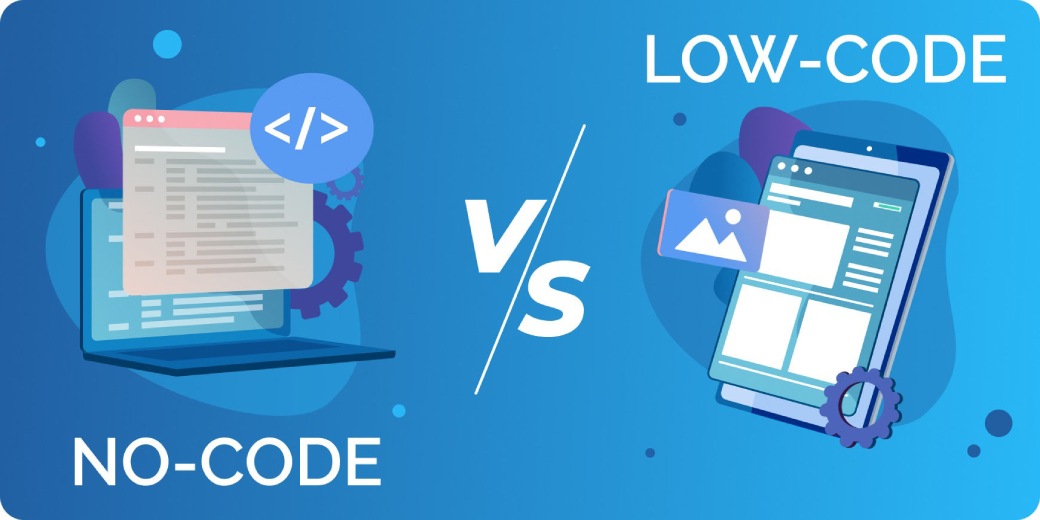
Low-code and no-code platforms continue to grow, enabling faster development for non-technical users. But without proper control, they can create fragmented systems. The trend in 2026 is not replacing developers, but combining speed with structure:
- Business users build simple solutions
- Developers ensure scalability, integration, and security
This hybrid approach allows organizations to move faster while maintaining technical integrity.
>> Read more: No-code web development explained: Benefits, risks, and best practices
Source: wearetopgroup.co
10. Sustainability and green web development
Sustainability is becoming a measurable requirement. With stricter ESG regulations, especially in markets like the EU, businesses are expected to consider the environmental impact of their digital products. Web applications consume energy through data transfer, server usage, and inefficient code.
Optimizing these factors can:
- Reduce operational costs
- Improve performance
- Support sustainability goals
In 2026, “clean code” is not just about readability. It is also about energy efficiency.
Final thoughts
The web development trends of 2026 point to a clear direction. Applications are becoming more intelligent, more modular, and more performance-driven. But not every trend needs to be adopted at once. A startup building an MVP may prioritize AI-powered development and serverless infrastructure to move quickly. An enterprise managing complex systems may focus more on MACH architecture and API-first design.
The key is alignment. Businesses should focus on:
- Choosing technologies that support long-term goals
- Building flexible architectures early
- Using AI to enhance both development and user experience
- Treating performance, security, and sustainability as core requirements
Ultimately, success in 2026 is not about chasing trends. It is about applying them in a way that creates real business value.
For companies navigating this evolving landscape, having the right technology partner can make a meaningful difference. Not just in adopting new tools, but in turning those tools into scalable, effective digital products.