
In 2026, mobile apps are no longer just digital products sitting on a user’s home screen but evolving into intelligent, adaptive systems that can understand intent, make decisions, and execute tasks on behalf of users. This shift is not subtle. It is redefining how apps are built, how users interact with them, and what businesses should expect from their technology partners. Below are the most important mobile app development trends in 2026, along with the technical and strategic implications behind them.
1. AI-first and ai-native applications become the new baseline
The biggest shift in 2026 is clear: AI is no longer a feature. It is the foundation. Modern mobile apps are being designed as AI-native systems, where artificial intelligence is integrated into the core architecture rather than added later. This includes recommendation engines, conversational interfaces, and increasingly, autonomous decision-making capabilities.
A key technical movement behind this trend is the rise of on-device AI. Instead of sending user data to the cloud for processing, models can now run directly on mobile devices, leveraging dedicated hardware such as NPUs.
This brings two major benefits:
- Lower latency and faster response times
- Better privacy, as sensitive data stays on the device
Another important concept emerging here is generative UI. Instead of hard-coded layouts, interfaces can be dynamically generated based on user intent. For example, a user might describe what they want, and the app assembles the interface in real time.
This fundamentally changes the role of developers. Building screens is no longer enough. Teams need to design systems that allow AI to generate and adapt to those screens dynamically.
2. Agentic workflows redefine how users interact with apps
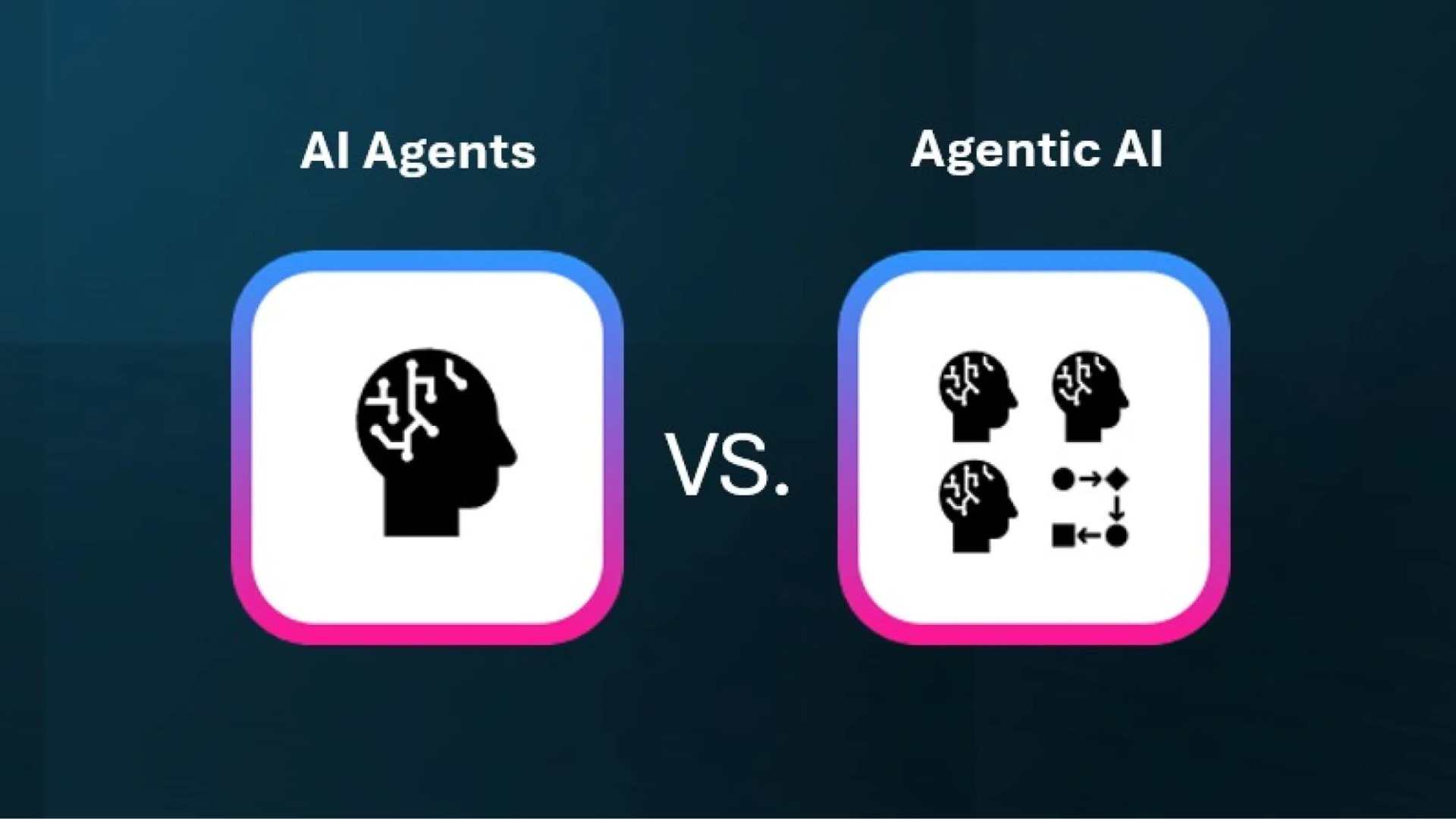
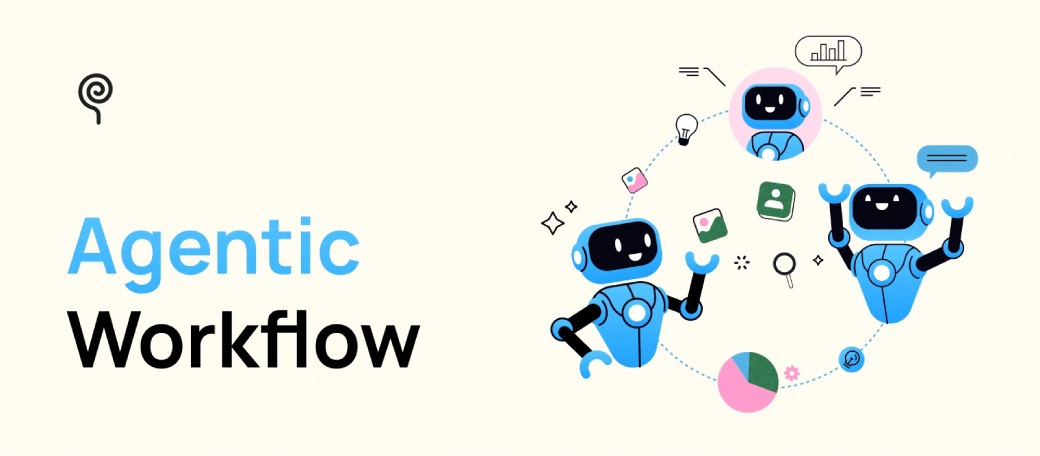
In traditional mobile apps, users perform tasks step by step. In 2026, that model is starting to break. With the rise of AI agents, apps are becoming execution layers rather than interaction layers. Users no longer need to navigate multiple screens. Instead, they express an intent, and the system completes the task.
For example, instead of manually searching and booking a flight, a user can simply say: “Find me the cheapest flight to Da Nang this Friday morning.”
The app then handles:
- Searching options
- Comparing prices
- Completing the booking
This is known as an agentic workflow, where AI orchestrates multiple actions across systems.
For businesses, the implication is significant. Competitive advantage will depend less on UI design and more on:
- How well your app integrates with external systems
- How efficiently it can execute complex workflows
- How reliable and secure are those executions
Apps that cannot be easily integrated or executed by agents may gradually lose relevance.
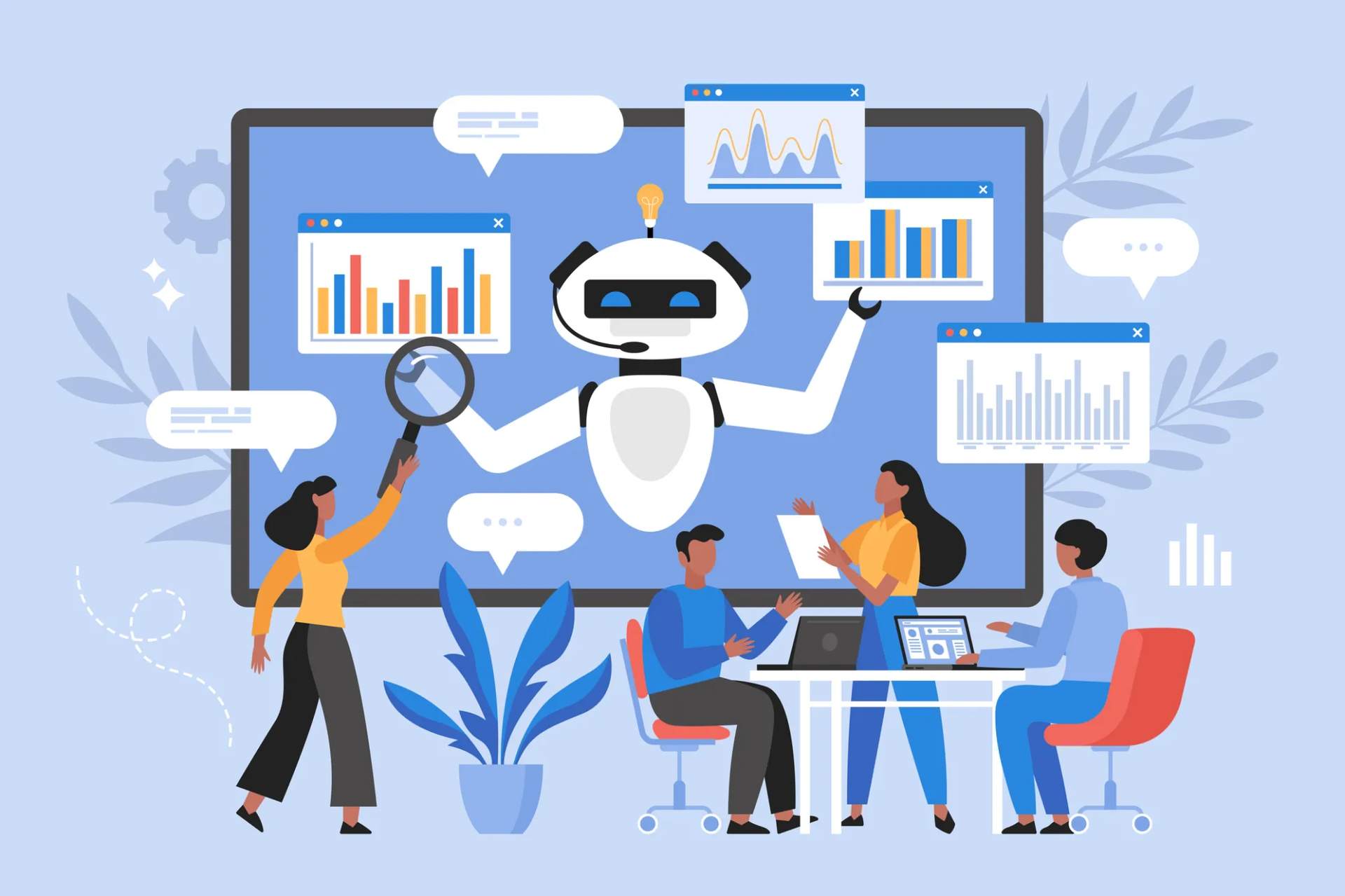
Source: lollypop.design
3. Cross-platform and native development converge
The long-standing debate between cross-platform and native development is becoming less important. Frameworks like Flutter and React Native have already made cross-platform development a practical default for many use cases. At the same time, Kotlin Multiplatform (KMP) is gaining traction as a hybrid approach that allows teams to share business logic while maintaining native performance at the UI level.
In 2026, the focus is shifting from choosing a single approach to designing the right architecture across layers:
- UI layer: native or near-native for performance
- Business logic: shared across platforms
- AI layer: separated and managed independently
This layered approach allows teams to balance performance, cost, and scalability more effectively. In other words, success is no longer about having one codebase. It is about having the right abstraction at each level of the system.
4. Hyper-personalization meets stricter data privacy
Personalization continues to be a key driver of user engagement. However, it now comes with a growing challenge: data privacy. Users expect apps to understand their preferences, behaviors, and needs in real time. At the same time, regulations such as GDPR and standards like ISO 27001 are placing stricter limits on how data can be collected and processed. This creates a tension between personalization and privacy.
To address this, new technical approaches are emerging. One of the most important is federated learning, where models are trained directly on user devices without transferring raw data to central servers.
Combined with on-device AI, this approach allows companies to:
- Deliver personalized experiences
- Reduce data exposure risks
- Maintain compliance with privacy regulations
In 2026, trust becomes a competitive advantage. Companies that can build secure and transparent data systems will be better positioned to unlock deeper personalization.
5. Super apps and ecosystem-driven strategies
The concept of the super app continues to grow, especially in Southeast Asia. Instead of offering a single service, super apps combine multiple functions into one platform. These can include payments, eCommerce, transportation, and social features, all within a unified experience.
However, successful super apps are not just about adding more features. They are built as platforms that allow multiple teams, and sometimes third parties, to develop and deploy mini-apps within the ecosystem.
From a technical perspective, this often involves:
- Micro-frontends for mobile
- Modular architectures
- Independent deployment pipelines
This approach allows large applications to scale without becoming unmanageable. For businesses, the takeaway is clear. Growth is no longer just about building more features. It is about building ecosystems that others can participate in.
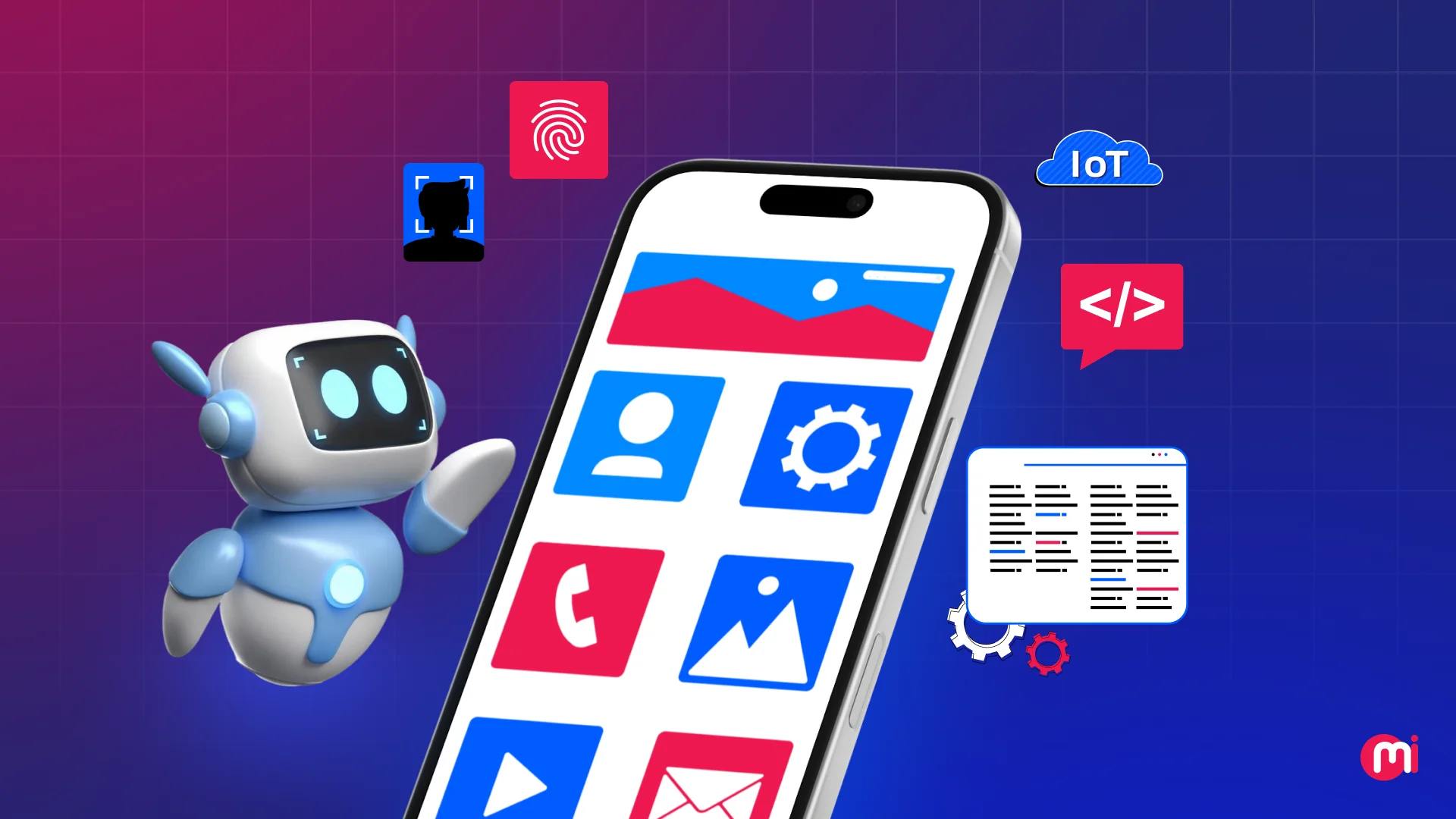
Source: madison-technologies.com
6. Backend-driven UI and dynamic experiences
Another important trend in mobile app development is the rise of backend-driven UI (BDUI). In this model, the structure and behavior of the interface are controlled by backend systems rather than hard-coded into the app. This allows teams to:
- Update UI without releasing a new app version
- Run real-time experiments and A/B tests
- Personalize layouts based on user data
When combined with AI, BDUI becomes even more powerful. Interfaces can adapt dynamically to different users, contexts, and behaviors. In practice, this means mobile apps are becoming more like flexible shells, with most of the logic and control moved to backend and AI layers.
7. Green software development gains importance
Sustainability is no longer a niche concern. It is becoming a requirement, especially when working with enterprise clients in Europe and North America. Mobile apps are now expected to be energy-efficient, minimizing their impact on device resources and battery consumption. This involves:
- Optimizing CPU and GPU usage
- Reducing unnecessary background processes
- Designing lightweight architectures
- Minimizing network calls
While these optimizations may seem technical, they also have business value. Companies that can demonstrate efficient and sustainable software practices may gain an advantage in enterprise deals and partnerships.
8. Stronger focus on performance, security, and reliability
Despite all the innovation, some fundamentals remain critical. In 2026, users have very low tolerance for:
- Slow loading times
- Frequent crashes
- Poor responsiveness
At the same time, mobile apps are becoming more complex, with multiple integrations, APIs, and third-party services. This increases the risk of vulnerabilities. As a result, development teams are placing greater emphasis on:
- Secure architecture from the start
- Automated testing and monitoring
- Continuous integration and deployment (CI/CD)
- Real-time performance optimization
Source: linkedin.com
What these mobile app development trends in 2026 mean for businesses
Looking across these mobile app development trends in 2026, a clear pattern emerges. Mobile apps are no longer standalone products. They are becoming:
- Intelligent systems powered by AI
- Execution layers connected to multiple services
- Platforms that support ecosystems and integrations
For businesses, this means a shift in mindset is required. Instead of asking: “What features should our app have? “, you need to ask:
- How intelligent should our app be?
- How well can it integrate and execute tasks?
- How can it adapt to users in real time?
The mobile landscape in 2026 is more complex, but also more exciting than ever. For companies looking to stay competitive, the key is not to chase every mobile app development trend. It is to understand the direction of change and make deliberate, well-informed decisions.
At PowerGate Software, we see mobile development as part of a larger transformation toward AI-powered digital products. By combining product thinking, modern architecture, and AI-driven workflows, businesses can move beyond traditional apps and build systems that are ready for the future. If you are planning your next mobile product, now is the right time to rethink your approach. Contact PowerGate Software, and we will help you bring your innovative ideas to life!