The manufacturing sector is undergoing a profound digital transformation, fundamentally rethinking production, supply chains, and customer engagement through advanced technologies. From small-scale workshops to massive production plants, digitalization is driving efficiency, enhancing quality, and opening new business models for manufacturers worldwide.
In this guide, PowerGate Software will delve into the core components and strategic pathways essential for digital transformation in manufacturing, providing insights crucial for retaining competitive advantage and unlocking new growth opportunities in 2025 and beyond.
1. What is digital transformation for manufacturing?
Digital transformation refers to the integration of digital technologies into all areas of manufacturing operations. This includes upgrading legacy systems, connecting machines and systems via Industrial IoT (IIoT), adopting cloud-based software, leveraging data analytics, and automating workflows.
Compared to traditional methods that rely heavily on manual input and isolated systems, digital transformation enables real-time decision-making, predictive maintenance, enhanced product quality, and reduced operational costs.
Manufacturers that embrace this change are better positioned to handle market volatility, customize production, and operate with greater flexibility and agility.

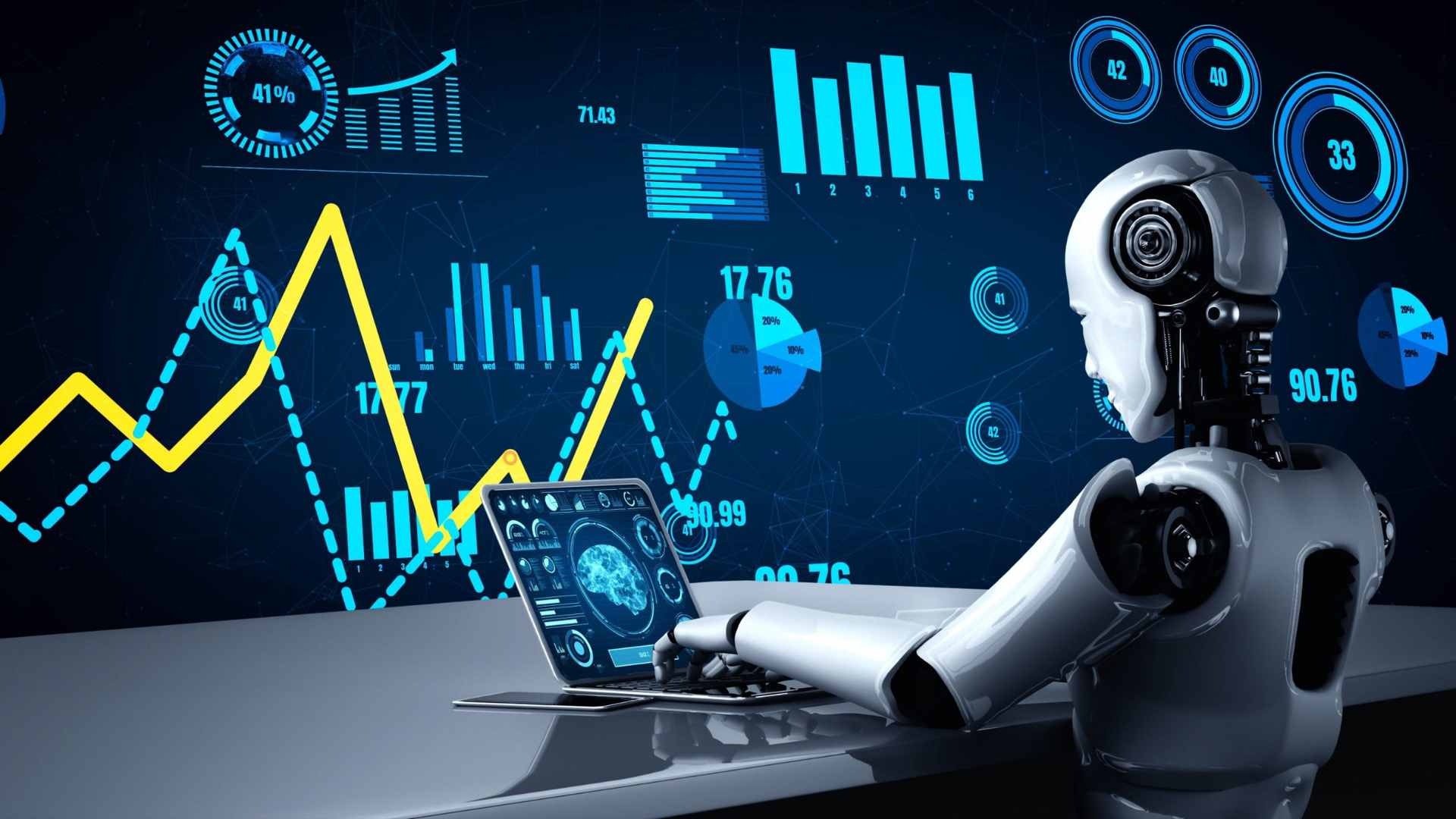
Digital transformation in manufacturing is no longer a futuristic vision – Source: Marc Solans Solé
2. Who drives digital transformation in manufacturing?
Digital transformation in the manufacturing sector typically involves multiple key stakeholders:
- CTOs and CIOs: Lead the overall technology roadmap and platform integration.
- Operations and Plant Managers: Drive adoption on the shop floor and ensure alignment with productivity goals.
- Product Engineers and QA Teams: Leverage data for product lifecycle management and quality control.
- Supply Chain Directors: Use analytics to optimize inventory and logistics.
Successful transformation requires collaboration across these roles, ensuring both strategic vision and operational alignment.
3. 6 benefits of manufacturing digital transformation
The benefits are both broad and deep, impacting every aspect of the manufacturing value chain:
- Improved Operational Efficiency: Automation and real-time monitoring reduce manual tasks and minimize downtime.
- Higher Product Quality: Digital inspection tools and AI-driven defect detection improve consistency.
- Predictive Maintenance: Connected machines provide data that helps anticipate and prevent failures.
- Faster Time-to-Market: Agile design and development cycles supported by digital tools accelerate innovation.
- Better Data-Driven Decision-Making: Centralized data from machines, suppliers, and customers drives smarter planning and forecasting.
- Sustainability: Energy monitoring and waste-reduction initiatives contribute to greener operations.
For example, smart sensors can reduce unplanned downtime by up to 40%, according to McKinsey.
4. Key technologies of digital transformation in manufacturing
Several technologies form the backbone of digital transformation in manufacturing:
- Industrial IoT (IIoT): IIoT enables machines, sensors, and devices to communicate, collect data, and share it with central systems for monitoring and analysis.
- Digital twins: Digital twins are virtual replicas of physical assets, processes, or systems. They allow manufacturers to simulate, test, and optimize operations in real-time, reducing prototyping costs and improving accuracy.
- Predictive maintenance: By analyzing data from connected equipment, predictive maintenance solutions identify potential issues before they cause downtime.
- Cloud-based manufacturing software: Cloud ERP, MES (Manufacturing Execution Systems), and SCM (Supply Chain Management) platforms increase flexibility, scalability, and cross-facility collaboration.
- AI and machine learning: From demand forecasting to quality control, AI helps manufacturers extract insights from complex data patterns and automate decision-making.
- Robotic process automation (RPA): RPA automates routine back-office tasks, such as order processing and inventory tracking, freeing up human resources for higher-value activities.

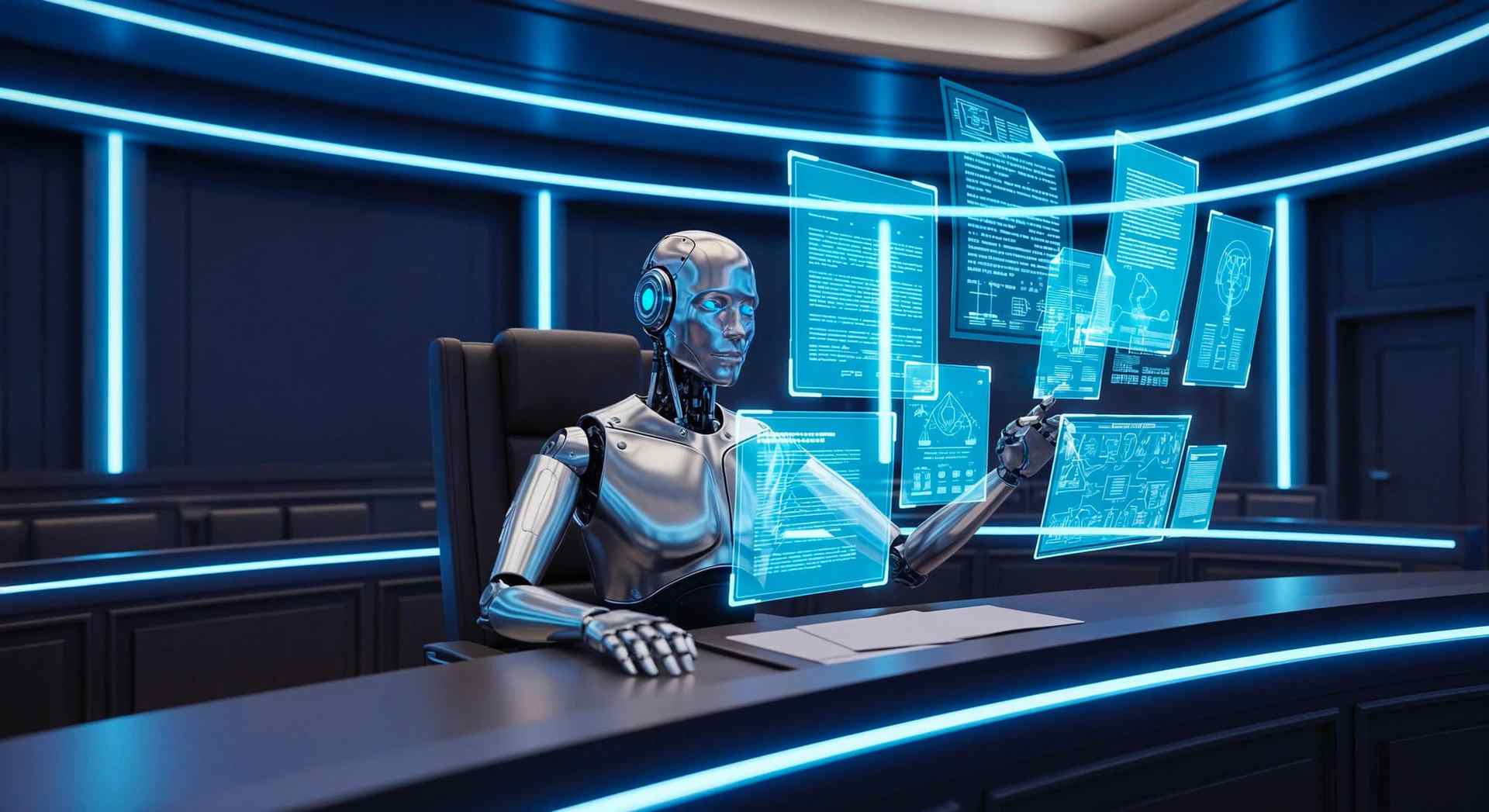
AI and machine learning are key technologies of digital transformation for manufacturing – Source: ricoh.com.vn
5. Roadmap to digital transformation in manufacturing
Digital transformation is not a one-time project but a journey. 5 key steps in the roadmap include as below
- Assess current capabilities: Evaluate existing infrastructure, data maturity, and workforce readiness.
- Define transformation vision: Align goals with strategic business outcomes.
- Select technology partners: Choose scalable and flexible platforms.
- Implement in phases: Start with pilots (e.g., predictive maintenance in one line) before scaling up.
- Monitor KPIs and iterate: Use real-time analytics to measure results and continuously improve.
6. 5 common challenges in manufacturing digitalization
Despite the benefits, many manufacturers encounter obstacles such as:
- Resistance to change: Operational teams may be hesitant to shift from legacy systems to new tools.
- Legacy systems integration: Outdated machines or proprietary systems can be difficult to connect to modern platforms.
- Skills gap: Adopting new technologies requires workforce training and sometimes hiring new talent.
- Data security: Interconnected systems can expose manufacturers to cybersecurity threats.
- ROI measurement: Short-term disruptions and investment costs can delay perceived returns.
Overcoming these hurdles requires strong change management, strategic investment, and reliable technology partners.
How PowerGate Software supports manufacturing clients
PowerGate Software provides end-to-end digital transformation services tailored for manufacturers:
| Service | Benefit |
| Smart factory development | Reduce manual processes and optimize real-time operations |
| Custom MES & ERP systems | Tailored platforms that match your production environment |
| Cloud migration | Enable remote access, scalability, and lower infrastructure costs |
| AI and analytics solutions | Drive predictive maintenance and performance forecasting |
| IoT app development | Connect machines and gather real-time insights |
| Integration with legacy systems | Extend the life of existing investments through smart interfacing |
Whether you’re exploring your first IIoT project or scaling a digital twin platform across factories, PowerGate brings proven technical expertise, agile development practices, and manufacturing industry understanding.
Some of our notable case studies:
- Automotive OEM in Germany: PowerGate Software developed a cloud-based predictive maintenance solution that reduced machine downtime by 30%.
- Heavy Equipment Manufacturer in the US: We built a custom Manufacturing Execution System integrated with legacy PLCs and modern ERP, boosting plant efficiency by 25%.
- Electronics Manufacturer in Vietnam: Our team created an IIoT dashboard for energy and waste monitoring, contributing to a 15% reduction in energy usage.
Digital transformation in manufacturing is now a competitive necessity. Manufacturers that act now will lead in productivity, innovation, and resilience. At PowerGate Software, we help manufacturers unlock the full potential of digital transformation, turning vision into actionable results. Our domain knowledge, combined with engineering excellence, makes us the ideal partner for building your smart factory future.
Ready to modernize your manufacturing operations?
Talk to our experts and discover how we can co-create your smart factory future.