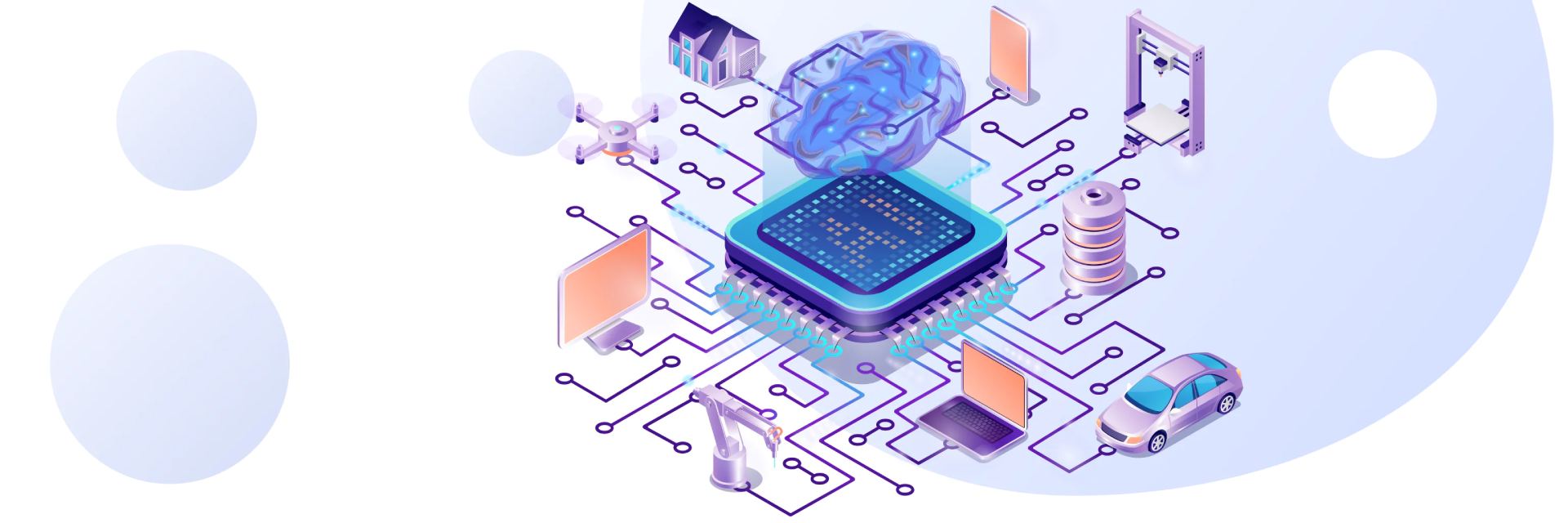

Despite the growing popularity of the term, “AI-powered software development” is often misunderstood. Some see it as simply using AI tools to write code faster. Others treat it as a marketing label without real substance. In reality, the shift is deeper and more structural. It changes not only how developers work, but also how software systems are designed and how businesses deliver value. This article explores what AI-powered software development truly means and how PowerGate Software applies it in practice across the entire development lifecycle.
1. What is AI-powered software development?
At its core, AI-powered software development refers to the integration of artificial intelligence into both:
- The software development lifecycle (SDLC)
- The behavior of the software itself
This means AI is not only used to support developers. It also becomes part of the system that users interact with. To understand this clearly, it helps to look at three layers.
1 – AI as a development tool: At the most basic level, AI supports developers in their daily tasks. This includes:
- Generating code snippets
- Suggesting improvements
- Detecting bugs
- Writing test cases
Tools like GitHub Copilot are widely used to increase productivity and reduce repetitive work. However, this is only the starting point.
2 – AI across the development workflow: The next level involves applying AI throughout the entire SDLC. At this stage, AI helps teams move faster and make better decisions, not just write code more efficiently:
- Ideation: analyzing user needs and suggesting product features
- Design: supporting UI/UX creation and prototyping
- Development: accelerating coding and integration
- Testing: generating automated test scenarios
- Deployment: optimizing CI/CD pipelines
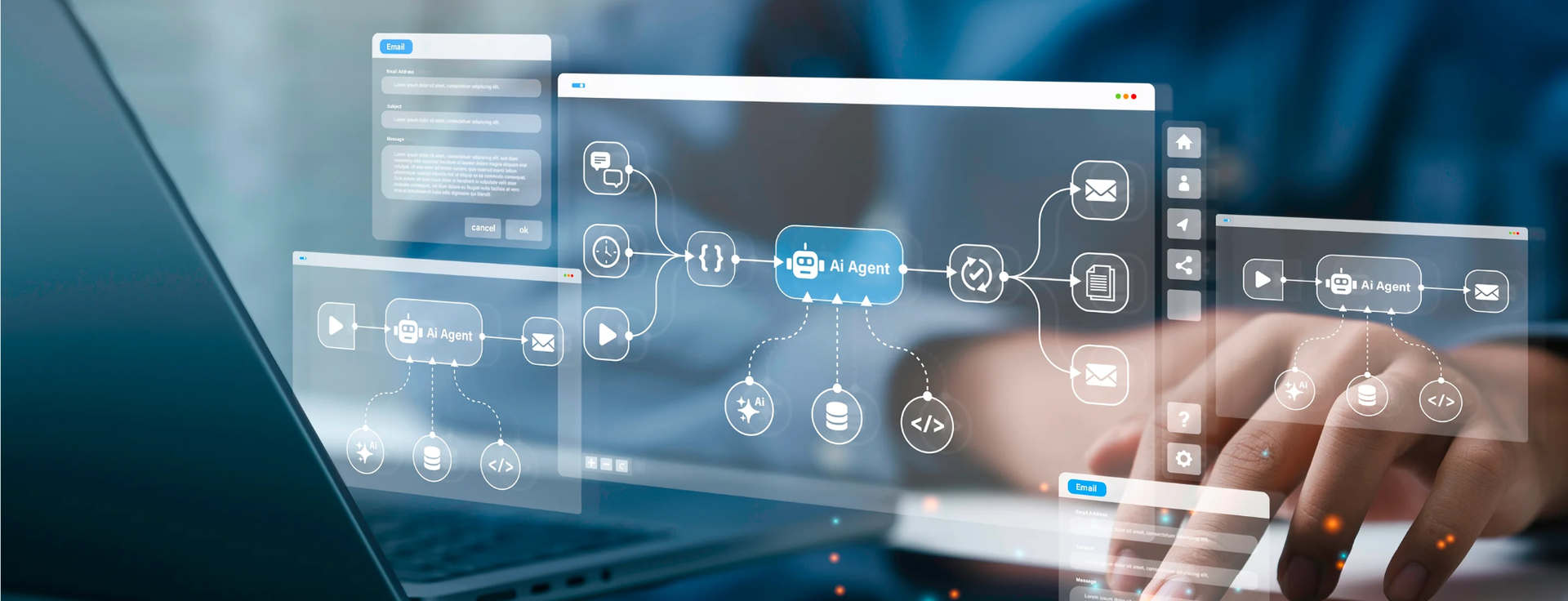
3 – AI as part of the system architecture: The most advanced form of AI-powered development is when AI becomes a core layer of the product itself. This is where concepts like AI-native applications, agentic workflows, and adaptive user experiences start to appear. It also introduces a fundamental shift: From logic-driven software to model-driven software.
Instead of hard-coding every rule, developers design systems that allow AI models to interpret intent and generate outcomes.
In this model:
- Applications can adapt to user behavior
- Interfaces can change dynamically
- Systems can make decisions based on context
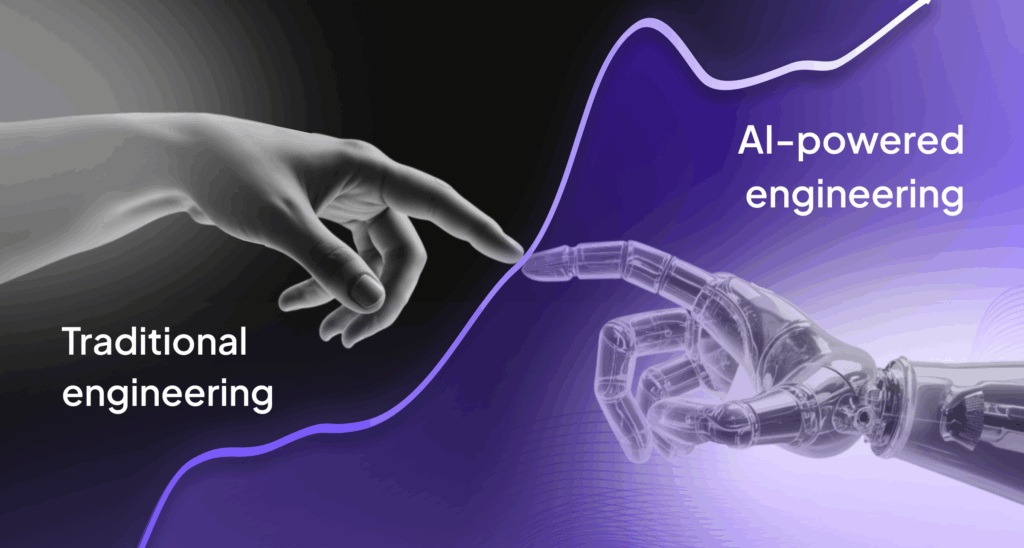
Source: honeycombsoft.com
2. The reality check: AI is powerful, but not autonomous
While AI brings clear advantages, it is important to avoid unrealistic expectations. Current AI systems still face limitations:
- Inconsistent outputs in complex scenarios
- Lack of full contextual understanding
- Potential risks in security and data handling
As a result, successful AI-powered development is not about replacing developers. It is about combining AI capabilities with human expertise. In practice, this means:
- Keeping humans in critical decision loops
- Validating AI-generated outputs
- Designing systems with clear boundaries for AI usage
Companies that treat AI as a “black box solution” often face issues in scalability and reliability. Those who approach it as a structured component within their architecture tend to achieve better long-term results.
3. How AI changes the way software is built
Beyond tools and workflows, AI is also changing the nature of software itself.
3.1. From interface-driven to intent-driven systems
Traditional applications rely on predefined user flows. Users interact through buttons, menus, and forms. In AI-powered systems, users can express intent more naturally, for example through text or voice. The system then interprets this intent and executes the required actions. This reduces friction and creates a more intuitive experience.
3.2. From static products to adaptive systems
Software is no longer fixed after release. With AI, applications can:
- Learn from user behavior
- Personalize content and features
- Continuously improve performance
This turns software into a “living system” that evolves.
3.3. From isolated apps to connected ecosystems
AI-powered applications often rely on multiple data sources and integrations. They act as part of a broader ecosystem, connecting:
- Internal systems
- Third-party services
- Real-time data streams
This requires stronger architectural design, especially in areas like API integration, data governance, and security.
4. How PowerGate Software applies AI in software development
At PowerGate Software, AI is embedded across roles and workflows rather than applied in isolation. The focus is to support each function in the development lifecycle while maintaining human oversight and control.
4.1. AI across key roles
- For developers: AI supports code generation, debugging, and optimization, helping engineers reduce repetitive work and focus on complex logic.
- For designers: AI is used for design automation and analyzing user feedback, enabling faster iteration and more user-centered experiences.
- For business analysts: AI assists in requirement gathering and competitive analysis, improving accuracy and reducing manual effort in early-stage planning.
- For QA and testers: AI helps create and maintain test cases, detect bugs, and support ongoing maintenance, leading to more efficient testing cycles.
- For project managers: AI enables smarter planning, risk prediction, and performance monitoring, improving visibility across projects.
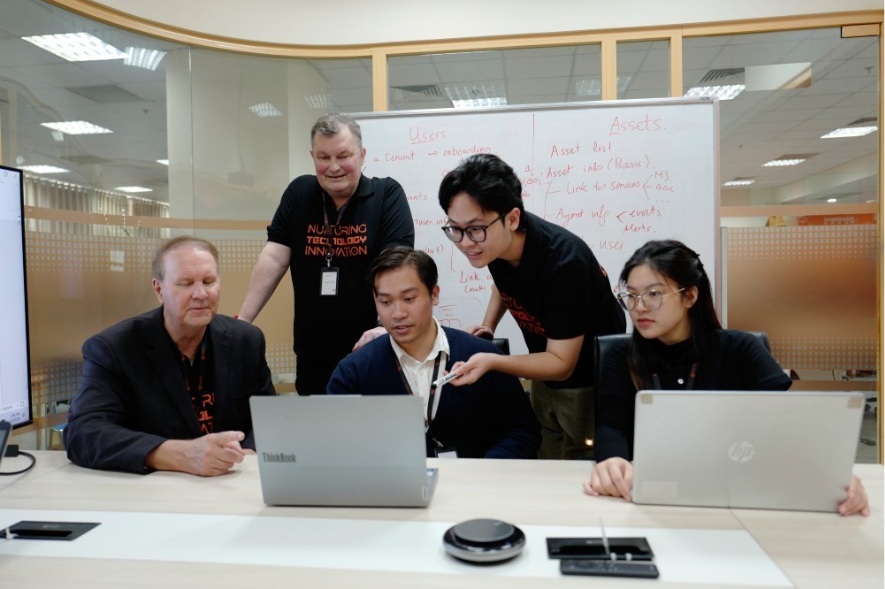
PowerGate Software is a global AI-Powered software product studio
4.2. Measurable results
By integrating AI across the workflow, PowerGate Software achieves consistent improvements in both efficiency and product quality:
Increased productivity
- 20-30% faster development with AI-assisted coding
- 25-35% improvement in code completion efficiency
Reduced errors
- 20-30% fewer bugs through automated code review and analysis
- Up to 50-60% of critical issues are detected using AI-based testing
Improved code quality
- Around 40% better code readability and maintainability
- More consistent coding standards across teams
Cost savings
- 20-35% reduction in testing costs through automation
- 30-35% less time spent on debugging
Overall impact
- 20-25% increase in overall team productivity
- Improved collaboration and smoother workflows across roles
AI-powered software development is not just a trend. It represents a long-term shift in how digital products are created and evolved. However, its success depends on how it is applied. Companies that focus only on speed may overlook quality and scalability. Those that take a structured, balanced approach can unlock real value from AI while maintaining control over their systems.
At PowerGate Software, AI is used as an enabler, not a shortcut. By integrating it thoughtfully across the development lifecycle, businesses can build software that is not only faster to deliver, but also smarter, more adaptive, and ready for future growth. If you are exploring how to adopt AI in your development process, the key is not to adopt everything at once. Start with clear goals, build the right foundation, and scale from there.